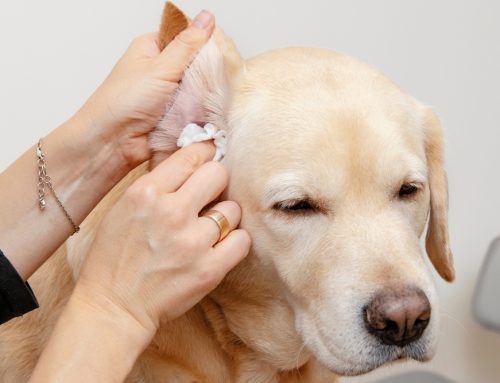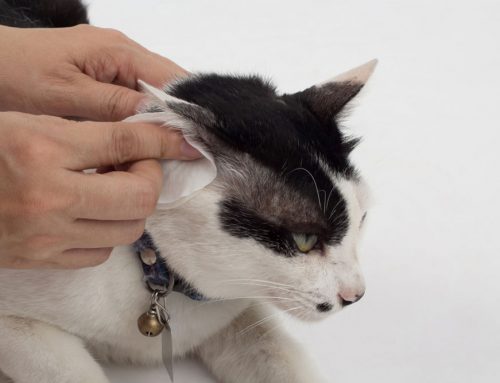

Allergic reactions in pets range from a patch of hives that resolves on its own to a life-threatening anaphylactic event that requires immediate intervention, and the difference between those two ends of the range is not always obvious in the first few minutes. Hives typically appear as raised, itchy welts under the fur, often around the face, ears, or back, and can come with swelling but without the collapse or breathing changes that define anaphylaxis. Anaphylaxis moves fast: vomiting, pale gums, difficulty breathing, weakness, and loss of consciousness can develop within minutes of exposure to a trigger, whether that trigger is an insect sting, a vaccine, a medication, or a food protein. Even mild reactions deserve evaluation, because the next exposure to the same trigger can produce a more severe response.
At Cupertino Animal Hospital in Cupertino, we have the in-house diagnostic capabilities to assess allergic reactions thoroughly, from bloodwork and urinalysis to ultrasound when a more complete picture is needed. Our advanced diagnostics let us work up the underlying cause rather than just treating the symptoms, which matters for preventing recurrence. If your pet is having a reaction right now, call us immediately; for follow-up care or to talk through what to watch for, reach out to our team and we will help you figure out the right next step.
Allergic Reactions at a Glance
- Reactions span a spectrum: chronic skin conditions, same-day hives and swelling, and anaphylaxis as a life-threatening emergency.
- Species present differently: anaphylaxis in dogs often brings sudden GI signs and collapse, while in cats it brings respiratory distress.
- A mild reaction can escalate next time: document triggers and tell us, since the next exposure can be worse.
- Chronic allergies are manageable: the right diagnostics and plan keep most pets comfortable long-term.
What Triggers Allergic Reactions in Dogs and Cats?
Allergic triggers fall into three main categories, and a pet can have several at once. Environmental allergies plus flea allergy plus food sensitivity is a common combination.
- Environmental allergens like pollen, grass, mold, and dust mites drive atopic dermatitis, the most common chronic allergic disease in dogs and cats.
- Food allergies typically involve specific proteins like beef, chicken, or dairy and produce year-round symptoms, and food allergies are diagnosed through elimination diet trials, not blood or saliva tests.
- Insect and parasite triggers including flea bites, where flea allergy is one of the most intense responses we see, and bee and wasp stings.
How Do Vaccine and Medication Reactions Look?
Most pets receive vaccines without complications, and a normal post-vaccine response includes mild soreness at the injection site, slight lethargy, and possibly a low-grade fever for 24 to 48 hours, none of which are emergencies. Vaccination reactions that warrant a call include facial swelling, hives, vomiting or diarrhea, or any change in breathing within hours of vaccination, since severe reactions can progress to anaphylaxis.
Medication reactions follow the same pattern, with some pets reacting to antibiotics, sedatives, or other drugs either on first exposure or after prior uneventful uses. Sharing prior reaction history before any vaccination or new medication is one of the most useful things you can do at a visit, and we review the vaccine history and any prior reaction patterns at every wellness exam.
How Do You Read the Urgency of a Reaction?
Reading the urgency comes down to sorting the reaction into one of three tiers, since the right response differs completely across them.
| Reaction tier | What you see | What to do |
| Chronic skin condition | Itching, recurring ear or skin infections, hot spots | Schedule a workup |
| Hives or significant swelling | Raised welts, facial swelling, new intense itch | Same-day visit |
| Anaphylaxis | Collapse, breathing difficulty, pale or blue gums | Emergency, go straight in |
For anaphylaxis specifically, do not wait for an appointment; call ahead and head straight in or to the nearest open emergency facility. While getting to the clinic:
- Stay calm, since your pet picks up on panic.
- Note the timing and any possible trigger, like a recent meal, new medication, walk in tall grass, or observed sting.
- Do not induce vomiting or give human medications without veterinary guidance.
- Bring the suspected trigger if possible, such as the offending food package or medication bottle.
- Monitor breathing and gum color during transit.
What Do Chronic Allergic Skin Conditions Look Like?
Most pets with allergies present with chronic skin disease rather than emergency reactions, and the presentations differ between species.
Chronic Skin Reactions in Dogs
The typical pattern of allergic reactions in dogs includes persistent licking and chewing, redness, secondary infections, hair loss, and ear inflammation. Specific presentations:
- Pododermatitis affecting the paws, with chronic foot licking, redness between toes, and sometimes interdigital furunculosis.
- Hot spots from self-trauma triggering bacterial infection at a single localized area.
- Otitis externa as a recurring ear infection driven by underlying allergic inflammation, since many dogs with chronic ear problems actually have an allergy.
Chronic Skin Reactions in Cats
Cats present differently, with three main patterns of skin allergies in cats:
- Overgrooming producing symmetrical hair loss, often on the belly, inner thighs, or front legs, frequently noticed without the behavior being witnessed.
- Miliary dermatitis with small crusty bumps scattered through the coat.
- Eosinophilic granuloma complex producing characteristic raised lesions on the lips, belly, or thighs.
Contact Hypersensitivity
Contact hypersensitivity develops when the skin directly contacts an irritant or allergen, with common triggers including laundry detergents, fabric softeners, certain rugs or carpet treatments, floor cleaners, and even some grooming products. Reactions typically appear on thin or hairless areas like the belly, armpits, and between the toes where the skin makes the most direct contact.
Which Reactions Need Prompt Care?
Several allergic presentations sit in the urgent middle, where same-day care prevents escalation.
- Hives develop within minutes to hours of trigger exposure as raised welts under the fur, and while they are not anaphylaxis, they can be its early stage, which is why we treat hives as a same-day visit rather than watch-and-see.
- Respiratory allergic conditions can escalate fast, since allergic bronchitis in dogs and asthma and bronchitis in cats produce coughing and breathing difficulty that can become life-threatening during a flare. A cat with breathing difficulty is always an emergency.
- Insect stings cross from manageable to urgent when the sting is on the face, mouth, throat, or tongue or if there are multiple stings. If systemic signs develop, like vomiting, weakness, or breathing changes alongside swelling, or the pet has a known severe reaction history, head in for ER care right away.
If you’re worried, just call us. We’ll give you guidance on what to do and where to go.
When Does an Allergic Reaction Become Anaphylaxis?
Anaphylaxis is a true medical emergency requiring immediate care, and the presentation differs by species. Anaphylaxis in dogs typically shows a gastrointestinal-dominant picture of sudden vomiting, diarrhea, collapse, weakness, and pale gums, which can be mistaken for severe GI illness, because the liver is the main target organ in dogs. Anaphylaxis in cats primarily targets the respiratory system, so severe respiratory distress with open-mouth breathing, always abnormal in cats, is the hallmark. In both species anaphylaxis can develop within minutes of exposure, so get to a veterinary facility immediately.
How Are Allergic Reactions Treated?
Treatment splits sharply between the acute emergency and the long game of chronic disease.
Acute and Emergency Treatment
For anaphylaxis, treatment is fast and layered:
- Epinephrine to reverse the systemic reaction
- IV access and fluid resuscitation for circulatory support
- Oxygen support for respiratory distress
- Antihistamines and corticosteroids to dampen ongoing inflammation
- Continuous monitoring for hours past apparent recovery
Recovery from anaphylaxis is not a single-step event, since a biphasic response can occur where symptoms return hours after the initial reaction resolves, which is why patients are monitored in the hospital well past the point of looking fine. For pets with a confirmed history of severe anaphylaxis, epinephrine auto-injectors, the veterinary version of an EpiPen, may be recommended for home use as an individualized decision based on the specific reaction history.
Treating Chronic Allergic Skin and Ear Disease
Chronic allergy management is rarely a single-medication fix, and the right approach combines:
- Ear cytology and skin cytology to identify secondary infections
- Treating both the surface infection and the underlying allergy rather than just the recurring infections
- Combining multiple modalities rather than relying on a single drug
- Long-term allergy management including environmental management, dietary changes, and targeted medications
How Do You Prevent and Manage Chronic Allergies?
Managing chronic allergies well means attacking the problem from several angles at once rather than chasing flares.
Parasite Prevention for Allergic Pets
Flea allergy dermatitis is one of the most common allergic conditions, and even pets primarily allergic to other things worsen significantly when fleas are also in the picture, since a single bite can trigger weeks of itching in a sensitized pet. Year-round parasite prevention is non-negotiable for any pet with allergic skin disease.
Prescription Allergy Medications
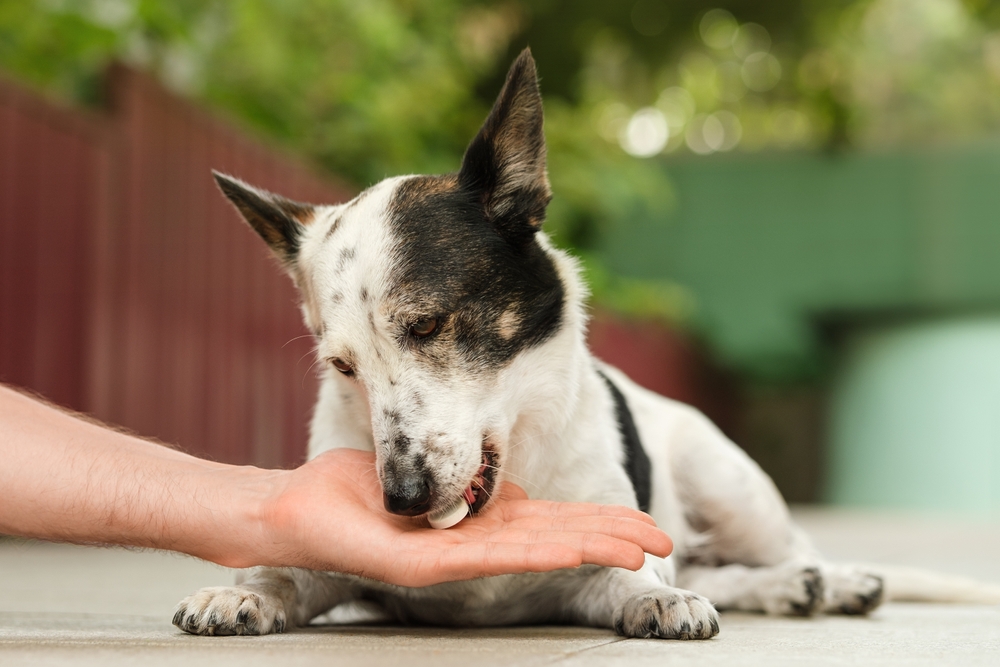
A few main categories of prescription options exist for canine atopic dermatitis:
- JAK inhibitors like Apoquel, Zenrelia, and Numelvi for fast-acting itch relief
- Cytopoint as a monthly injection targeting the specific itch pathway for established atopic dermatitis
- Atopica, or cyclosporine, for severe or refractory cases
- Corticosteroids for short-term acute flares, not ideal long-term due to side effects
- Antihistamines as an option that works for a subset of patients
Allergy Testing and Immunotherapy
Allergy testing, through intradermal skin testing or serum testing, identifies specific environmental triggers. Immunotherapy, delivered as sublingual drops or desensitization shots, addresses the root cause of environmental allergies over 12 to 18 months by gradually building tolerance, making it one of the few treatments that modifies the disease rather than just controlling symptoms. A note on consumer tests: hair and saliva allergy tests marketed directly to owners have been shown in research to be completely unreliable and should not be the basis for elimination diets or treatment decisions.
Grooming and Fatty Acid Support
Regular grooming for pets physically removes allergens from the coat, and for allergic pets there are a range of topical medicated products that help control symptoms and prevent secondary infections. We’ll go over the best options for your pet during your visit.
A few specific tips to help:
- Medicated shampoos need at least 10 minutes of contact time to work, so a quick lather and rinse does nothing.
- Wipe-downs after outdoor time, focusing on feet and hairless areas, reduce surface allergen burden.
- Between-bath sprays, mousses, and wipes for spot treatment of flares.
Omega fatty acids for dogs from fish oil provide long-term support for skin barrier function and inflammation, and are one of the most consistently helpful supplements for allergic skin conditions. There’s a big difference between the cheap stuff and what actually works; ask us for our recommendations.
How Are Food Allergies Identified?
The gold-standard diagnostic test for food allergies is the elimination diet trial, which requires:
- 8 to 12 weeks on a strict novel or hydrolyzed protein prescription diet
- Veterinary supervision to ensure the diet is appropriate and the trial is interpreted correctly
- Strict compliance with no treats, table scraps, flavored medications, or food sharing with other pets
- A reintroduction challenge at the end to confirm food as the trigger by reintroducing the original diet
Over-the-counter limited-ingredient foods are not appropriate for diagnostic trials, since manufacturing cross-contamination means even “limited ingredient” formulations can contain trace amounts of common allergens.
Frequently Asked Questions About Allergic Reactions
My Dog Has Hives but Is Acting Fine. Should I Still Come In?
Come in if you can, same-day. Hives can be the early stage of a more serious reaction, and even when they resolve on their own, identifying the trigger matters for preventing the next exposure, which may produce a more severe response. We can also confirm that what looks like hives is not something else that warrants different treatment.
Can I Give My Pet Benadryl for an Allergic Reaction?
Benadryl can be appropriate for some mild reactions in dogs, but the dose is critical and human formulations sometimes contain ingredients like xylitol that are toxic, so call us before giving anything. For cats, antihistamines have a narrower margin of safety and should not be given without veterinary guidance.
How Do I Know if My Pet’s Chronic Itch Is an Allergy or Something Else?
The pattern matters. Allergies typically produce itch in characteristic areas like the face, feet, belly, and armpits, recurring ear or skin infections, and often a seasonal pattern for environmental allergies or year-round for food. Cytology and a workup can distinguish allergies from parasites, hormonal disease, infection, or other causes of itching.
Will My Pet Outgrow Their Allergies?
Usually not. Most allergies are lifelong conditions, though their severity can change over time, so the goal is consistent management rather than a cure. Many pets do very well on a thoughtful long-term plan combining parasite prevention, targeted medications, dietary management, and a grooming routine.
Knowing What to Do When It Happens
The most useful preparation is knowing which tier of reaction you are looking at and how fast to act. Hives warrant a same-day call. Collapse, breathing difficulty, or pale gums after a known trigger warrant immediate care. Chronic itch and recurring infections warrant a workup that gets you off the cycle of treating flares.
If your pet has had a reaction, mild or severe, or has been dealing with chronic skin or ear issues, reach out to us to figure out the right next step.