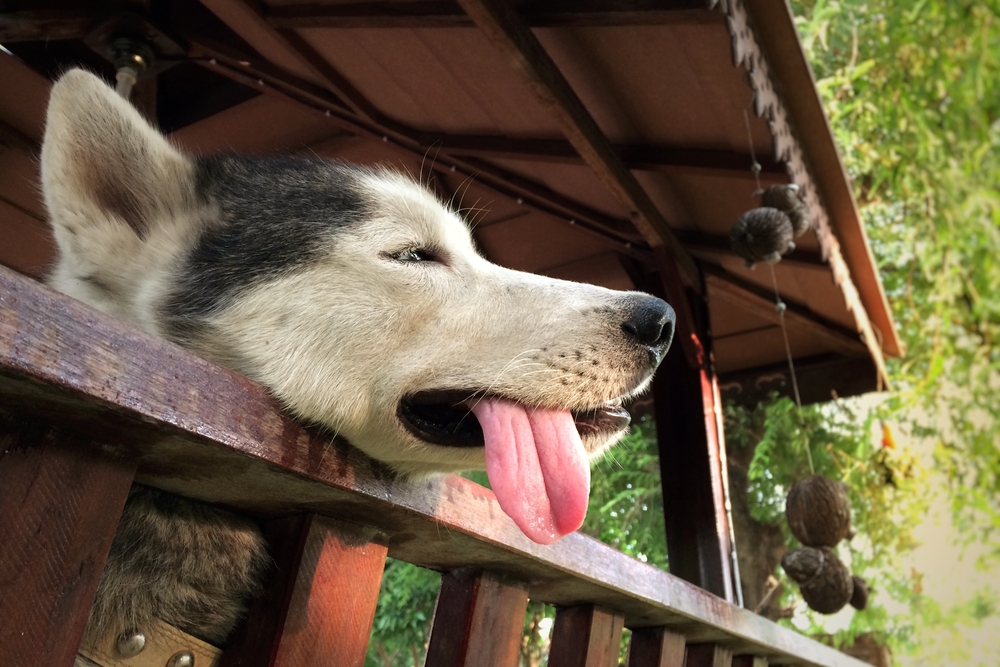
A pet who comes back from a hot walk wobbly, dazed, or unable to stand normally is almost certainly in heat stroke, and that is a true medical emergency for dogs and cats alike. Heat stroke sets in when a pet’s core temperature climbs past 104 degrees Fahrenheit and panting can no longer move enough heat out, which happens fast when the air is hot and humid. Warning signs stack quickly: relentless panting, bright red or muddy gums, ropey drool, vomiting, stumbling, and eventually collapse; cats often hide, breathe with an open mouth, or go quiet rather than panting loudly. Move the pet into shade or a cooled room, run lukewarm (not ice cold) water over the belly and paw pads, and get to veterinary care right away, because the kidneys, liver, gut, and clotting system can keep deteriorating for hours after the body feels cool to the touch.
At Cupertino Animal Hospital, we see plenty of Bay Area summer cases where a pet overheats on a midday trail, a sunny patio, or a parked car on a quick errand, and our advanced diagnostic tools including digital X-ray, ultrasound, CT, and an in-house lab let us check exactly what heat has done to a dog or cat’s organs. For a pre-summer workup on a senior, flat-faced, or heat-sensitive pet in Cupertino, book a visit and we can map out home warning signs together. If your pet looks overheated and is stumbling or collapsing right now, head straight to the nearest 24-hour veterinary emergency hospital.
Start Here: The Heat Stroke Basics
- Heat stroke starts once a pet’s core temperature passes 104°F, and dogs and cats cannot sweat their way out of it the way people do, so it escalates from heavy panting to collapse in minutes.
- The right first aid is cool or tepid tap water on the belly, armpits, and paws plus airflow from a fan, done on the way to the vet, never an ice bath and never forced water.
- A pet who seems to bounce back after cooling can still develop kidney injury, clotting problems, and internal bleeding over the next one to three days, which is why the vet visit matters even when your pet looks fine.
- Almost every heat emergency is preventable with cooler walk times, shade, steady water, and the ironclad rule that no pet ever waits in a parked car.
What Makes Pets Heat Up Long Before Their People Do?
Pets heat up faster than people because they have almost no way to sweat. A person cools off across the whole skin surface; a dog relies mostly on panting. When the air is hot and sticky, that swap stops working and the core temperature climbs.
Panting works by blowing warm air out and pulling cooler air in, with a little heat escaping through the paw pads. A cat panting with its mouth open is already in trouble.
Some pets start the summer with the deck stacked against them. A flat-faced dog moves far less air with every pant than a longer-nosed one, which is why its ability to cool off breaks down so quickly. The main risk factors:
- Breed and face shape: Short-nosed dogs and cats like Bulldogs, Pugs, Boston Terriers, and Persians have a crowded airway, so panting is inefficient before the heat even peaks.
- Coat and color: Thick, double-coated breeds and dark or matted coats hold heat against the skin.
- Age: Puppies, kittens, and senior pets regulate temperature poorly and overheat sooner.
- Body condition: Extra fat acts like insulation, so overweight pets tire and overheat faster.
- Health history: Heart disease, breathing conditions, and a previous heat episode all lower a pet’s ceiling for hot weather.
Because the risk is so individual, the plan should be too. A heat plan for a lean young retriever looks nothing like the one for a nine-year-old Bulldog carrying a few extra pounds. If weight or breed puts your pet in the higher-risk group, weight management and breed-specific counseling give us a starting point to lower that risk before the hot months arrive.
Which Changes in Your Pet Signal Trouble Before It Turns Critical?
The early stages of heatstroke in pets show up as frantic panting, thick drool, and bright red gums, then escalate toward stumbling, vomiting, and collapse. Two things are worth watching most closely: how your pet is behaving, and what color the gums are.
Heatstroke rarely flips on all at once. It climbs a ladder from uncomfortable to life-threatening, and catching it on the lower rungs is what saves lives.
| Stage | What you might see |
|---|---|
| Early / mild | Heavy, fast panting; seeking shade; restlessness; drooling more than usual; gums a brighter pink than normal |
| Moderate | Thick, ropey drool; very red gums; glassy eyes; wobbliness; vomiting or diarrhea; reluctance to keep moving |
| Severe / emergency | Staggering or collapse; gums that turn muddy, gray, or purplish; disorientation; seizures; unconsciousness |
Cats write the script differently. A cat rarely pants like a dog, so open-mouth breathing, hiding in a cool spot, drooling, or going still and unresponsive are the signs to trust. With any pet, dark or grayish gums, collapse, or a seizure means you skip the wait-and-see and get to emergency care now. When you are not sure which rung your pet is on, treat it as the higher one.
What Should I Do in the First Five Minutes if I Think My Pet Is Overheating?
Move fast, stay calm, and cool from the outside in while you head for help. The safest emergency steps for cooling use cool or tepid tap water on the belly, armpits, and paws with a fan or open window for airflow, never an ice bath that can clamp down blood vessels and trap heat inside. Work through these steps in order:
- Get out of the heat: Move your pet into shade or an air-conditioned room, off hot pavement and out of the sun.
- Wet the right spots: Pour or spray cool to tepid water over the belly, armpits, groin, and paw pads, where blood runs close to the surface. Skip icy water.
- Add airflow: Point a fan at the wet fur or crack a window in the car. Moving air over damp skin is what pulls heat out.
- Offer, do not force, water: Let your pet lap small amounts if they want to; never squirt water into the mouth of a wobbly or dazed pet.
- Skip the wet towel blanket: A soaked towel left draped over your pet holds heat in instead of letting it escape.
- Stop cooling before they are cold: Once your pet is bright and steadier, ease off so you do not overshoot into shivering.
Do all of this on the way in, not instead of coming in. If your pet is stumbling, collapsing, or their gums have gone dark, call us right away and we’ll give you guidance. If it is after hours, head straight for the nearest 24-hour veterinary emergency hospital.
Once Your Pet Reaches the Hospital, What Happens Next?
At the hospital, veterinary heatstroke treatment works in three layers at once: controlled cooling at a measured pace, fluid replacement to restore circulation, and managing the downstream damage heat sets in motion. The greatest danger falls inside the first 24 hours, so heat stroke is treated as an emergency even after the temperature reads normal.
Fluid replacement matters because overheating starves the organs of the circulation they need, and the downstream damage reaches the gut, liver, kidneys, and clotting system. During that first day, a pet can look stable and still be fighting internal problems.
Our team runs advanced imaging and in-house bloodwork, so a heat-sensitive pet can get a baseline workup before summer or a follow-up after a scare. To set that up, reach out to us.
My Pet Seems Fine Now, So Are We in the Clear?
Not necessarily, and this is the part that surprises pet families most. The most dangerous part is often what happens after the temperature comes down, because delayed complications after a heat event like kidney injury and systemic inflammation can surface hours later in a pet who seemed to be recovering. Heat damages cells throughout the body, and that damage keeps unfolding for one to three days after the emergency looks over.
The organs most at risk are the kidneys, liver, heart, and gut, and your pet can tip into a whole-body inflammatory reaction called systemic inflammatory response syndrome, or SIRS. Monitoring runs for days partly because of disseminated intravascular coagulation, a clotting failure where a pet bleeds and clots at the same time and internal bleeding becomes a real threat. This is exactly why a vet visit after any real heat episode is not overkill, even when your pet is up and wagging.
What Everyday Summer Habits Keep Your Pet Cool and Hydrated?
Good heat safety comes down to steady hydration, a portable water source, cooling mats or damp towels to lay on, and shaded rest breaks taken before your pet looks tired rather than after. Prevention is not one clever gadget; it is a handful of small habits stacked together.
Keep fresh water in easy reach at home and toss a collapsible bowl and a bottle in your bag for outings. And watch for the first hint of hard panting; that early pant is your cue to find shade and pause, not to push through one more lap. Most pets will not ask for the break, so it falls to you to call it.
When Is It Actually Safe to Walk or Play Outside?
Timing does most of the work. Most of preventing heatstroke is shifting walks to early morning or after sunset, easing off intense play, and pressing the back of your hand to the pavement for seven seconds before letting paws touch it. If the ground is too hot for your hand, it is too hot for their pads, and burned pads are a common, entirely avoidable summer injury. On hot afternoons, trade the long run for a short sniff-walk on grass, keep fetch brief, and cut it short the moment the panting turns frantic or your pet lags behind. If you would like a hand safely matching activity to your pet’s age, weight, and breed, we can map that out together at a visit.
Why Is a Parked Car So Dangerous, Even for a Few Minutes?
A car turns into an oven faster than almost anyone expects. A parked car can reach 120°F within 20 minutes on an 85°F day, and hot vehicles take pets’ lives every summer even when the windows are cracked, because the problem is trapped sunlight, not stale air. The rule is simple: no pet waits in a parked car, not for a quick errand, not on a mild day, not for two minutes. If your pet was shut in a hot car and seems off afterward, do not wait it out. Start cooling, and get triage guidance over the phone during our hours or call the nearest emergency hospital after hours.
How Do You Keep an Outdoor or Indoor-Outdoor Cat Safe in a Heat Wave?
Cats that spend time outside need shade, water, and a way back to cool air, all placed where they actually roam. Outdoor cat safety comes down to several shaded water stations refreshed often, a ventilated cool retreat, and a reliable way back inside during peak afternoon heat.
Cats are quiet about heat stress, so the setup has to do the work before they show a problem. Place those water stations in the shady spots your cat favors; warm, still water sitting in the sun gets ignored. That cool retreat can be a shaded catio or simply supervised outdoor time out of direct sun, and the way back inside works best when it leads to air conditioning as the day peaks. A safe enclosure beats free-roaming on a scorcher, both for heat and for everything else outside.
Staying Cool Indoors When the Afternoon Turns Brutal
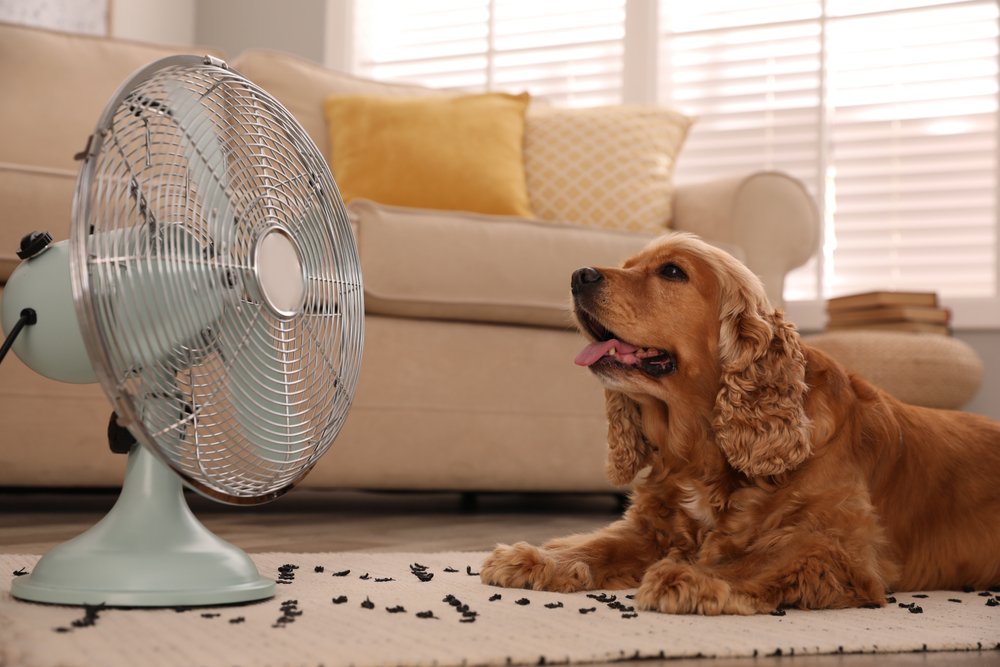
Indoors, the goal is a cool space plus enough low-key entertainment that your pet chooses to rest instead of race around. Run the air conditioning or fans, open up access to cool tile or a shaded room, and give the brain something to do so a bored pet does not turn to zoomies during the hottest hours.
When it is too hot to be outside, low-key boredom busters like puzzle feeders and scent games keep pets engaged without the overexertion that raises body temperature. You do not need to buy much, either: a few DIY enrichment toys, from frozen broth cubes to a snuffle mat made from an old towel, turn a hot afternoon into a rewarding one. Cats enjoy the same idea with a frozen treat, a slow-feeder, or a new cardboard hideout in a cool corner. If a heat-prone pet needs a plan tailored to their energy and health, a preventive care visit to personalize an enrichment plan can pull it together.
Pet Heat Stroke Questions We Hear Most Often
How fast can heat stroke actually kill a pet?
Very fast, which is why it is treated as a true emergency. Once the core temperature passes 104°F, organ damage can begin within minutes, and severe cases carry the highest risk of death in the first 24 hours. Quick cooling and immediate veterinary care dramatically improve the odds.
A dog left in a hot car or pushed hard on a scorching trail can go from panting to collapse in well under an hour. The good news is that acting in the first few minutes genuinely changes the outcome.
Should I give my overheated pet ice water or an ice bath?
No to the ice bath, and go easy on ice water. Very cold water and ice baths can make blood vessels at the skin clamp shut, which traps heat inside the body and can slow cooling right when you need it fastest. Use cool or tepid tap water on the belly, armpits, and paws with a fan for airflow instead. Your pet can drink small amounts of cool water if they want it, but never force it, especially if they are wobbly or dazed.
My pet cooled down and seems totally normal now. Do I still need the vet?
Yes, if there was any real heat episode. Pets can look bright and recovered while kidney injury, clotting problems, or internal bleeding quietly develop over the next one to three days. A quick exam and baseline bloodwork tell us whether the organs took a hit that is not visible from the outside yet, and catching it early is far easier than treating a crisis on day two. When in doubt after a genuine overheating scare, a check-in is always worth it.
Your Cupertino Partner for a Safe, Happy Summer
Heat stroke is one of the scariest emergencies we see, and it is also one of the most preventable. Learn your pet’s early signs, shift walks to the cool hours, keep water close, make indoor rest easy, and never leave a pet in a parked car, and you have handled most of the risk before it ever starts.
When something does go wrong, fast cooling and prompt care are what turn a frightening afternoon into a story with a happy ending. If you have a senior, flat-faced, or heat-sensitive pet, book a summer safety appointment and we will build a plan around your pet’s breed, age, and health.