Cat ears are a small marvel of engineering. They rotate independently, pick up sounds humans cannot hear, and for the most part take care of themselves without any help from us. That last part is exactly where a lot of well-meaning families run into trouble. Unlike dogs, most healthy cats do not need routine ear cleaning, and cleaning ears that do not need it can actually cause irritation, throw off the ear’s natural balance, and create problems where none existed before. On the flip side, when something is genuinely wrong (whether it is an infection, ear mites, or something deeper like a polyp or tumor), catching it early makes a big difference in how quickly and completely your cat recovers.
At Cupertino Animal Hospital, ear care is one of our areas of particular focus. Our Pet Ear Care Center is equipped with advanced video otoscopy and diagnostic tools that let us see deep into the ear canal, identify exactly what is going on, and treat it precisely. If your cat has been scratching at their ears, shaking their head, or showing any signs of discomfort, contact us to schedule an evaluation.
What Healthy Cat Ears Look Like
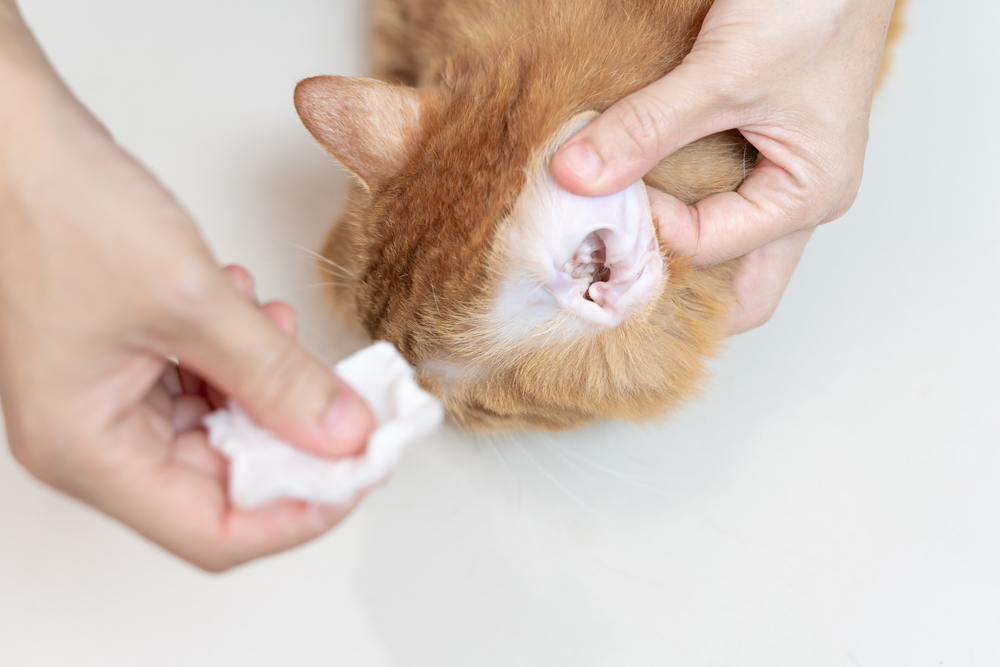
A healthy cat ear has a light pink inner surface with minimal visible debris. A small amount of light-colored wax is normal. There should be no odor, no discharge, no redness, no swelling, and no sensitivity to touch. Your cat should not react when you gently handle the outer ear.
Cats’ ear canals are largely self-cleaning through normal jaw movement and the natural way wax migrates outward. For the vast majority of cats, the ear does its job without any human help, so this is important context before we talk about cleaning: the default for a healthy ear is to leave it alone.
Warning Signs That Something Is Wrong
Subtle changes in behavior are often the first indication of an ear problem. Cats instinctively minimize signs of discomfort, so by the time you notice something, the problem has often been developing for a while already.
Signs that warrant a veterinary evaluation:
- Persistent scratching or pawing at one or both ears
- Head shaking or tilting, particularly to one side
- Redness, swelling, or unusual warmth in or around the ear
- Discharge that is dark, yellow, or bloody
- A noticeable odor coming from the ear
- Flinching, pulling away, or vocalizing when ears are touched
- Changes in balance or coordination, or other vestibular symptoms
- Behavioral changes: increased irritability, hiding, or reduced activity
- Any visible lump, growth, or new thickening inside or around the ear canal
Vestibular syndrome in cats produces sudden head tilt, loss of balance, and rapid eye movement (called nystagmus) that can look dramatic and scary. Vestibular episodes can be caused by a number of factors, including ear disease and polyps, so prompt evaluation is needed.
Any of the signs above warrant a call to us rather than at-home management.
Common Ear Conditions in Cats
Ear Infections
External ear infections (otitis externa) are the most common and are usually treatable with prescription topical medications when caught early. Left untreated, though, they can progress into the middle and inner ear. Otitis media and interna are significantly more serious, potentially causing permanent hearing loss, vestibular damage, and in severe cases, extension into the skull. The key to treating ear infections is finding out why it occurred- there’s always an underlying reason that is just as important to treat as the infection itself.
Ear Mites
Ear mites (Otodectes cynotis) are highly contagious between cats and between cats and dogs. They cause intense itching, dark waxy debris that often looks like coffee grounds, and persistent scratching. Ear mites require treatment for every pet in the household; treating one cat while leaving others untreated just sets everyone up for reinfestation.
Polyps
Inflammatory polyps are benign growths in the ear canal or at the back of the throat, most common in young cats. They can cause sneezing, nasal discharge, difficulty swallowing, and various ear symptoms depending on where they are located. Treatment requires surgical removal, and video otoscopy or CT is essential for identifying polyps that a standard otoscope cannot reliably see. We can handle both in our hospital.
Ear Dermatitis and Skin Conditions of the Ear
Not every ear problem is inside the canal. Ear dermatitis in cats refers to inflammation of the skin on and around the ear flap, which can show up as redness, crusting, hair loss, scabs, or thickened skin. Causes include allergies, ear mite reactions, bacterial or yeast infections of the skin surface, autoimmune conditions, and even sunburn on lightly pigmented or white ear tips.
Ear dermatitis looks different from a typical ear canal infection, and the treatment is different too. Topical medications, targeted bathing, allergy management, and sun protection for at-risk cats can all be part of the plan depending on the cause.
Ear Tumors
This is the category most families do not know to watch for, and it is one where early detection makes a meaningful difference in outcome.
Tumors of the ear canal in cats are uncommon overall but more likely in older cats, particularly those with a long history of chronic ear inflammation. Chronic inflammation changes the lining of the ear canal over time, and some of those changes can eventually give rise to tumors.
Types we see in cats include:
- Ceruminous gland tumors: arise from the wax-producing glands in the ear canal. These tumors come in benign forms (ceruminous gland adenoma) and malignant forms (ceruminous gland adenocarcinoma), and cats are more likely than dogs to develop the malignant version. Early removal is the goal.
- Ceruminous cystadenoma: small, benign, fluid-filled cysts that often appear as multiple dark blue or purple bumps inside the ear pinna, most common in older cats. They are not dangerous but can become irritated or infected, and they sometimes need removal if they interfere with ear function.
- Squamous cell carcinoma: an aggressive skin cancer that can affect the ear tips and outer ear, particularly in white or lightly pigmented cats with chronic sun exposure. Early lesions look like small scabs or crusty areas that will not heal.
The reason tumors matter so much for the cleaning conversation is that any unexplained growth, thickening, or persistent discharge in a cat’s ear (especially a senior cat) deserves a thorough look with video otoscopy rather than another round of empiric cleaning or medication. Cats with a long history of ear problems benefit from periodic structured rechecks for exactly this reason.
The Do’s of Cat Ear Care
Observe Monthly, Do Not Clean Monthly
Work a gentle ear check into your regular routine with your cat. Once a month, take a quick look inside each ear and note the baseline: color, wax level, any odor, and any new lumps or growths. What you are really doing is building a mental picture of what your cat’s specific normal looks like, which is what allows you to notice change when it happens.
Clean Only When There Is a Reason To
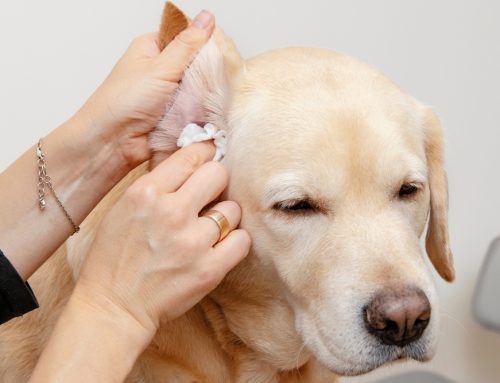
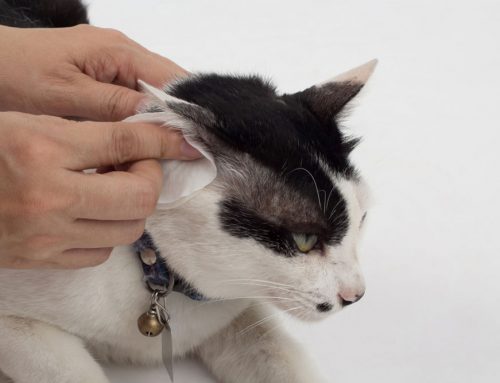
How to clean cat ears safely starts with having a reason to clean in the first place. Appropriate situations include: when your veterinarian has recommended it, during treatment for an ear infection or mite infestation, or when there is visible debris present.
To clean:
- Apply a small amount of veterinary ear cleaner into the canal
- Gently massage the base of the ear to loosen debris
- Let your cat shake their head (they will, and that is good)
- Wipe the visible outer canal and inner ear flap with cotton or gauze
Never insert cotton swabs into the ear canal. Never clean deeper than what you can see.
Get a Diagnosis Before Starting Treatment
Ear cytology under the microscope tells us whether bacteria, yeast, or both are involved, and whether any are present in unusual numbers. This matters because bacterial infections and yeast infections need completely different treatments. Putting an antifungal on a bacterial infection (or the other way around) is not helpful and can let the actual infection get worse while appearing to be treated.
Our ear treatments are prescribed based on diagnosis, not guesswork.
Finish the Full Course of Treatment
Ear infections in cats frequently come back when treatment is stopped too early. Even if your cat seems significantly better within a few days, continuing medication as directed and showing up for the recheck appointment is what makes the difference between a resolved infection and one that returns a month later. The recheck is where we confirm the infection is actually gone.
The Don’ts of Cat Ear Care
Do Not Clean When Ears Look Healthy
Over-cleaning removes the natural protective secretions and throws off the environment that keeps the ear canal healthy. When not to clean ears: when the ear looks clean, when there is no discharge or odor, and when no veterinarian has recommended it. If the ear looks fine, the kindest thing you can do is leave it alone.
Do Not Use Cotton Swabs in the Canal
Cotton swabs push debris further in rather than pulling it out, and they can damage the delicate structures of the inner ear. Cotton balls and gauze are fine for wiping visible areas, but nothing goes inside the canal itself.
Do Not Use Home Remedies
Vinegar, hydrogen peroxide, olive oil, and other household items are not appropriate for cat ear problems. They can cause irritation or chemical burns, and if the eardrum happens to be damaged (which cannot be checked without an exam), some of them can make the problem significantly worse. When in doubt, call us first.
Do Not Use Over-The-Counter Ear Mite Remedies
While ear mites are more common in cats than in dogs, seeing dark discharge in an ear does not automatically mean that ear mites are the issue. Treating ear mites when it’s a bacterial infection could mean delaying treatment or causing permanent hearing loss. Many OTC ear mite treatments are harsh on sensitive ears and do more damage than help- we have far better treatments.
Do Not Ignore Lumps or Growths
Any visible growth inside or around the ear (a new bump on the ear flap, a mass in the canal, thickening that was not there before, or a persistent scab on the ear tip) should be evaluated rather than watched. Some are benign and easily managed. Some are not, and for those, early intervention is what preserves both function and quality of life.
Do Not Wait When Symptoms Persist
Ear problems do not resolve on their own. Chronic untreated ear infection can lead to permanent hearing loss, vestibular damage, and severe pain, and the ear canal can become permanently narrowed or blocked from long-term inflammation. Earlier intervention is measurably better than waiting to see if things improve.
Advanced Diagnostics at Our Pet Ear Care Center
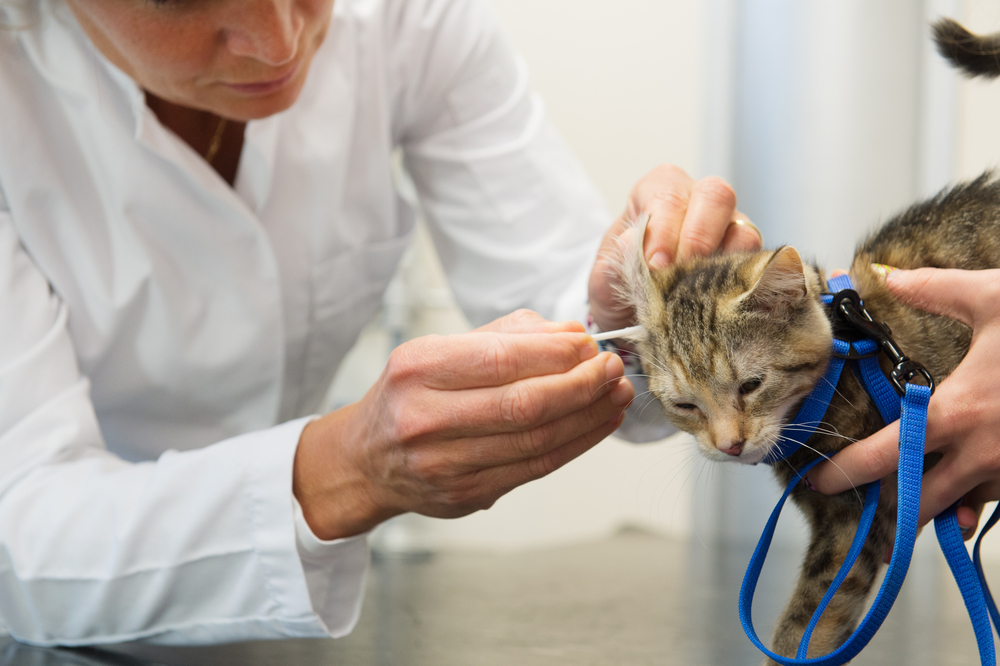
Our Pet Ear Care Center uses video otoscopy, a high-resolution camera system, to visualize the entire ear canal and eardrum in detail. This capability lets us:
- Identify polyps, tumors, foreign bodies, and masses that a standard otoscope cannot reliably see
- Confirm that the eardrum is intact before cleaning or treatment (damaged eardrums need a different approach)
- Document the ear canal to track changes over time, which is especially useful for cats with chronic ear disease
- Perform video-guided sampling, biopsy, and debris removal
For complex or recurrent cases, our diagnostics include CT imaging of the ear canal and middle ear structures when deeper pathology is suspected.
Visit our Pet Ear Care FAQs for more answers, or chat with our team directly.
Frequently Asked Questions
How often do cats need their ears checked?
Most cats benefit from monthly at-home observation and professional examination at their regular wellness visits. Cats with known allergies, a history of chronic ear disease, or advancing age should be monitored more frequently.
My cat is shaking their head but seems otherwise fine. Should I still come in?
Yes. Head shaking is a sign of ear irritation and warrants an evaluation. The underlying cause cannot be identified without looking in the ear, and early attention usually means simpler treatment.
Can ear mites spread to people?
Ear mites do not infect people, but they spread easily between cats and dogs in the same household. All pets in contact with the affected cat need treatment.
My cat had an ear infection last year and now it’s back. Why does this keep happening?
Recurrent ear infections almost always point to an underlying cause that is not being addressed when individual infections are treated. Our Pet Ear Care Center focuses on finding and addressing root causes so the cycle actually breaks.
I noticed a small bump inside my cat’s ear. Is that something to worry about?
It is worth having checked. Many small bumps are benign (harmless cysts, small polyps, or inflammatory growths), but some are tumors that behave differently depending on the type. A quick video otoscopy appointment gives a much clearer answer than watching and waiting.
Expert Ear Care for Cats in Cupertino
Healthy ears start with the right approach at home and the right team in your corner. Our investment in ear care technology and our focus on accurate diagnosis means we find what is actually happening and treat it precisely, rather than guessing from the outside.
Contact us to schedule an ear evaluation or wellness exam for your cat.