
Pet Dental Home Care: What’s Worth Doing (and What’s Just Wishful Thinking)
Does your dog turn into an expert escape artist the second you reach for their mouth? Maybe your cat suddenly remembers urgent business in another room the moment a toothbrush appears. It’s frustrating- and you are not alone. Dental home care is one of those things that sounds simple in theory but can feel like a full contact sport in practice. Between the wiggling, the head turns, and the sheer variety of products on the market, it is easy to throw your hands up and hope for the best.
But here is the thing: protecting your pet’s teeth is about a lot more than avoiding bad breath. Dental disease is one of the most common health problems in dogs and cats, and it can affect the heart, kidneys, and liver when bacteria from infected gums enter the bloodstream. The good news is that you do not need to be perfect. You just need a routine that works for your household, the right tools, and a little guidance.
At Cupertino Animal Hospital, we believe consistent home care is the foundation for long-term dental health, and professional cleanings handle the deeper work that home care cannot reach. If you are not sure where to start (or you have been struggling and want a better plan), reach out to us and let’s start a conversation about dental care that works for your pet and your family.
Does Home Dental Care Actually Make a Difference?
Yes, absolutely. Plaque starts forming on your pet’s teeth within hours of a meal, and it hardens into tartar in just a few days. Once tartar is there, it cannot be brushed off at home. It has to be removed professionally. But daily or near-daily home care disrupts that cycle before plaque gets a chance to harden, which means healthier gums, less tartar buildup, and longer stretches between professional cleanings.
Periodontal disease affects the majority of dogs and cats by age three, and it does not just cause sore gums. Advanced dental disease can lead to tooth loss, jaw infections, and chronic pain that pets are remarkably good at hiding. A few minutes of home care most days goes a long way toward preventing all of that.
That said, home care complements professional dental cleanings, it does not replace them. Anesthesia allows thorough cleaning above and below the gumline and dental x-rays to assess roots and bone, which is where the most serious problems hide. We fold dental checks into routine wellness exams and use diagnostics including dental radiography to see what is happening beneath the surface.
Toothbrushing: Still the Gold Standard (and More Doable Than You Think)
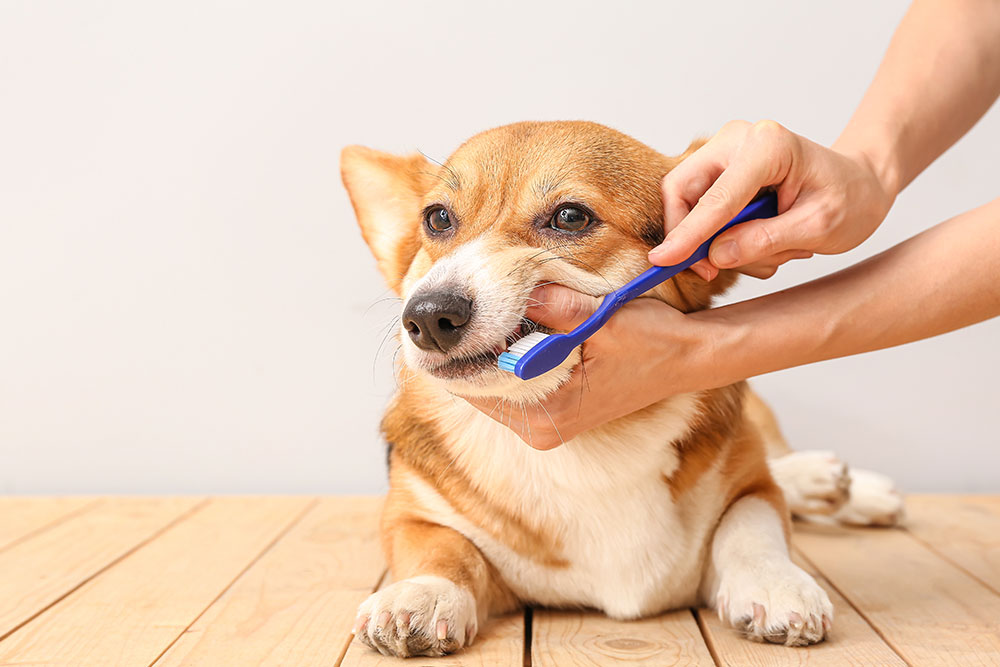
If you only do one thing for your pet’s teeth at home, make it brushing. Nothing else matches the mechanical action of a brush physically breaking up plaque along the teeth and gumline. Daily brushing is ideal, but every other day still makes a meaningful difference. Even just focusing on the outer surfaces of the teeth, where plaque collects most, provides real protection.
For a helpful walkthrough on technique, this guide on how to brush your dog’s teeth covers the basics and this step-by-step guide on brushing cat teeth shows the feline-specific method in detail.
Getting Started Without the Drama
The biggest mistake most pet owners make is going from zero to full brushing in one session. That is a recipe for frustration on both sides. Instead, build up gradually over a week or two using cooperative care techniques so your pet learns that mouth handling predicts good things.
- Start by calmly touching your pet’s muzzle and lips. Praise and treat.
- Lift the lip briefly to touch teeth and gums. More praise, more treats.
- Let your pet lick some pet-safe enzymatic toothpaste from your finger. Most pets love the flavor, and something like CET toothpaste in poultry or vanilla mint makes this step easy.
- Introduce a finger brush or soft-bristled toothbrush. A CET toothbrush kit comes with both options so you can see what your pet tolerates best. Try a few gentle strokes on the outer teeth.
- Gradually add time over days until sessions last 30 to 60 seconds.
What If My Pet Will Not Tolerate a Toothbrush?
Not every pet is going to sit still for brushing, and that is okay. You still have options that make a real difference.
Dental Wipes and Gauze
Wrapping gauze around your finger or using a pre-made dental wipe gives you friction to remove surface plaque without the bulk of a toothbrush. This approach works especially well for cats and anxious dogs who panic at the sight of a brush but tolerate a finger in their mouth. Vetradent dental wipes are a convenient option that combines gentle texture with an enzymatic cleaning solution.
Focus on the outer surfaces of the teeth and along the gumline, using light pressure. Wipes will not reach every crevice, but they lower the bacterial load significantly compared to doing nothing. If you notice brown tartar buildup, bleeding, or persistent odor despite wiping, it is time to plan a professional cleaning.
Dental Gels, Sprays, and Powders
Enzymatic gels and sprays help break down plaque and freshen breath, and they are easy to apply with a finger or directly along the gumline. Oravet Plaque Prevention Gel creates a barrier that helps block bacteria from adhering to teeth, and Vetradent oral spray lets you target the gumline without even opening your pet’s mouth wide.
For pets who tolerate food toppers better than direct mouth contact, VetriScience dental care powder can be sprinkled on meals to support oral health from the inside. These products work best when combined with brushing or wipes, but they are also a solid option on days when a full brushing session is not happening. Expect gradual improvement rather than instant tartar removal.
Do Water Additives Actually Work?
Water additives and oral rinses can reduce bacteria and improve breath, but they are supplements to your routine, not a replacement for brushing or professional care. Think of them like mouthwash for your pet: helpful, but not doing the heavy lifting on their own.
Good options include Vetradent dental water additive and CET Aquadent FR3SH water additive, both of which are designed to reduce plaque-forming bacteria with every drink. Introduce any additive slowly so your pet keeps drinking normally, and monitor their water intake for the first few days to make sure they are not avoiding the bowl.
What Is the VOHC, and Why Does It Matter When Choosing Products?
With so many dental products on the market, it can be hard to know which ones actually deliver on their promises. That is where the Veterinary Oral Health Council comes in. The VOHC is an independent organization that evaluates pet dental products and awards a seal of acceptance to those that meet specific standards for reducing plaque or tartar. Manufacturers submit clinical trial data, and only products that demonstrate measurable effectiveness earn the seal.
The VOHC does not test every product on the market, so the absence of a seal does not automatically mean a product is ineffective. But when you see the seal, you can trust that there is real evidence behind it. Whether you are shopping for dental chews, water additives, diets, wipes, or other oral care products, checking for VOHC-accepted products is one of the simplest ways to make a confident choice. Our team can also help you navigate product options during wellness exams or dental consultations.
Are Dental Treats, Chews, and Toys Worth It?
Chewing can help scrape soft plaque off teeth and stimulate the gums, but not all chews are created equal, and some popular options can actually do more harm than good. Bones, antlers, and rigid plastic toys are common culprits for fractured teeth, so avoid anything harder than your fingernail.
When choosing dental chews for dogs, look for products that are specifically designed for dental health and give slightly under pressure. For dogs, our pharmacy carries a range of dog dental treats in various sizes and textures. For cats, feline dental treats offer a crunchy texture that helps with plaque as part of a broader routine.
Soft rubber chew toys like dental chew toys can massage gums and provide some plaque removal during play, and can also be covered in toothpaste or enzymatic gels to increase effectiveness. For more on what to look for and what to avoid, a guide on safe chew toys covers how to choose options that clean teeth without risking fractures or choking. Supervise chewing sessions, rotate chews to maintain interest, and discontinue anything that causes tooth damage or digestive upset.
Can Dental Diets Help Keep Teeth Cleaner?
Dental diets are formulated to reduce plaque and tartar through both their ingredients and the physical structure of the kibble. Unlike standard dry food that crumbles on contact, dental diet kibble is engineered to maintain contact with the tooth surface as your pet chews, creating a scrubbing action that helps clean teeth with every bite. Some formulations also include ingredients that help prevent tartar from mineralizing on the tooth surface.
Dental diets are not a substitute for brushing or professional cleanings, but they turn every meal into a mild cleaning opportunity, which adds up over time. For pets prone to heavy plaque buildup or those who resist other forms of home care, a dental diet can be a practical and low-effort addition to the routine. We carry dog dental food and cat dental food options in our pharmacy, and our team can help you decide whether a diet change makes sense based on your pet’s dental history and nutritional needs.
What Can Home Care Not Do?
No matter how dedicated you are, home care cannot remove hardened tartar or treat disease below the gumline. That requires professional cleaning under anesthesia, polishing, and dental x-rays to assess roots and bone.
Be cautious about anesthesia-free dental services. Without anesthesia, plaque below the gumline remains untouched and painful problems can be missed entirely. The cosmetic improvement of scraping visible tartar off the crown gives a false sense of security while disease continues unchecked underneath.
Professional cleanings plus steady home care is the combination that extends the time between procedures, keeps mouths comfortable, and catches problems before they become painful or expensive. We perform dental procedures with modern monitoring and digital radiography.
How Do You Build a Routine You Can Actually Stick With?
The best dental care routine is one you will actually do. An ambitious plan that falls apart after a week does not help your pet, so start simple and build from there.
A realistic starting point might look like brushing three days a week, using wipes or spray on the off days, and keeping a water additive in the bowl as a daily baseline.
Keep sessions short and positive. High-value treats, calm praise, and stopping before your pet gets stressed all make the next session easier. If your pet resists, step back to a gentler step (just touching the muzzle, just offering toothpaste to lick) and build back up. Over time, look for fresher breath and healthier-looking gums as signs that what you are doing is working.
If you are stuck or not sure which combination of products makes sense for your pet, we are happy to help. Our team offers coaching, demonstrations, and personalized recommendations based on your pet’s temperament, dental history, and your household’s schedule.
Frequently Asked Questions
How often should I brush my pet’s teeth? Daily is ideal. Every other day still helps significantly. Even quick sessions focusing on the outer surfaces of the teeth make a difference.
Do water additives replace brushing? No. They reduce bacteria and help with breath, but they do not remove plaque mechanically or address tartar. Use them as a supplement alongside brushing or wipes.
Are dental wipes enough for cats? Wipes are a great starting point for cats who will not tolerate a brush, and they are far better than doing nothing. Pair them with a spray or gel for added benefit, and plan professional cleanings to address what wipes cannot reach.
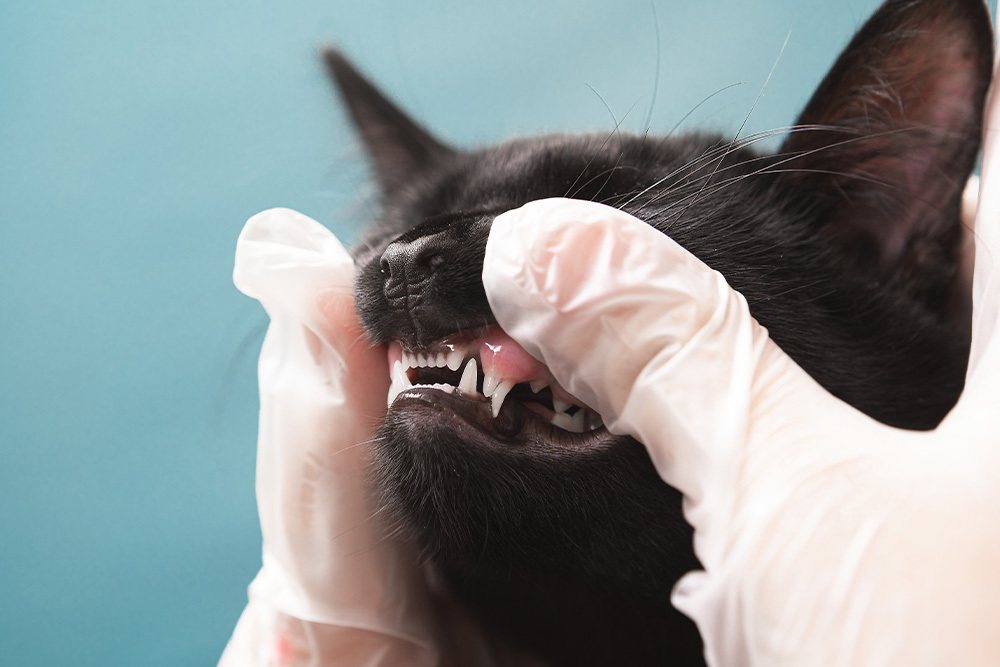
How do I know when my pet needs a professional cleaning? Bad breath, brown or yellow tartar buildup, red or bleeding gums, loose teeth, or reluctance to eat hard food are all signs it is time. We check dental health during wellness exams and can advise on timing.
Are bones safe for my pet’s teeth? Most bones, antlers, and hard nylon toys are too rigid and can fracture teeth. Choose flexible chews that give under pressure and carry the VOHC seal when possible.
Your Pet’s Teeth Are Worth the Effort
A manageable routine today protects your pet’s comfort, health, and quality of life for years to come. You do not need to do everything at once, and you definitely do not need to be perfect. Start with one tool your pet will tolerate, build from there, and lean on professional cleanings to handle the work that home care cannot.
If you are ready to build a routine that actually fits your life, contact us for a comprehensive dental evaluation and a personalized care plan.





Leave A Comment