

Helping Anxious Pets Find Calm
Seeing your dog pace frantically when you leave or finding your cat hiding under the bed whenever a visitor arrives can be heartbreaking. You want to comfort them, but sometimes the usual cuddles don’t seem to stop the trembling or the distress. Understanding why your pet reacts this way is the first step toward relief. We can help you identify anxiety triggers and learn how to reduce stress through positive behavior modification, enriching their environment, and offering gentle, consistent reassurance.
At Cupertino Animal Hospital, our veterinarians combine advanced medical insight with behavioral understanding to help anxious pets feel safe again. From routine wellness exams and thorough diagnostic evaluations to supportive guidance for ongoing anxiety management, we’re here to restore calm and confidence for your dog or cat. If your pet struggles with anxiety or fear-based behavior, we invite you to request an appointment to begin building a customized plan.
Understanding Pet Anxiety as a Medical and Behavioral Condition
Anxiety isn’t simply “bad behavior”- it’s a medical and emotional condition that affects dogs and cats alike. Sometimes what appears to be a behavioral problem, like restlessness or avoidance, is actually rooted in discomfort or illness.
The Importance of Ruling Out Health Problems
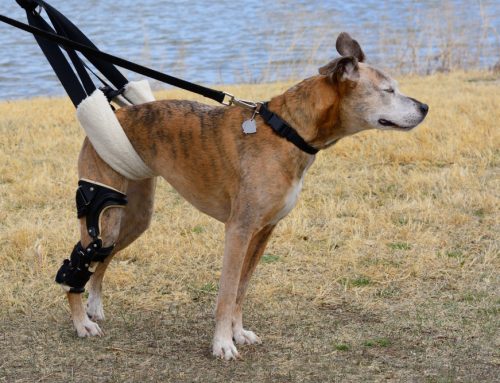
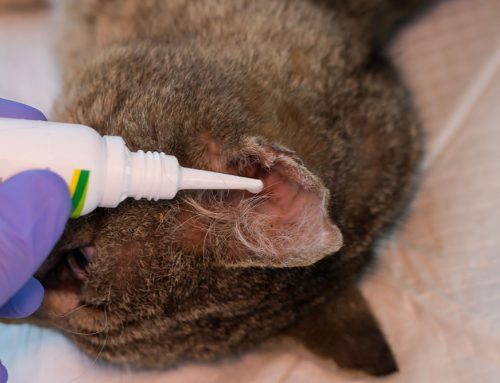
Underlying pain from arthritis, dental disease, orthopedic issues, or even ear infections can cause anxious behaviors. Age-related conditions like cognitive dysfunction or hyperthyroidism in cats can intensify anxiety, making a veterinary exam essential before any behavioral plan begins. Over time, chronic stress affects sleep, appetite, and immunity, leading to behavior changes such as chewing, overgrooming, or withdrawal. Stress can even be a contributor to feline lower urinary tract disease, causing life-threatening urinary blockages.
Diagnostic Tools for Anxiety
When anxiety may have a medical basis, or when we think that stress may be contributing to a medical issue, diagnostics become key. Regular blood work and imaging can rule out thyroid issues, pain, or neurological changes that mimic behavioral symptoms. Using our in-house diagnostic technology, we can evaluate both physical and behavioral health to create a balanced care plan.
Understanding anxiety as both a physical and emotional condition ensures that care is holistic- recognizing this connection is key to truly helping pets recover.
Identifying Signs of Anxiety in Dogs and Cats
Physical and Behavioral Indicators of Pet Anxiety
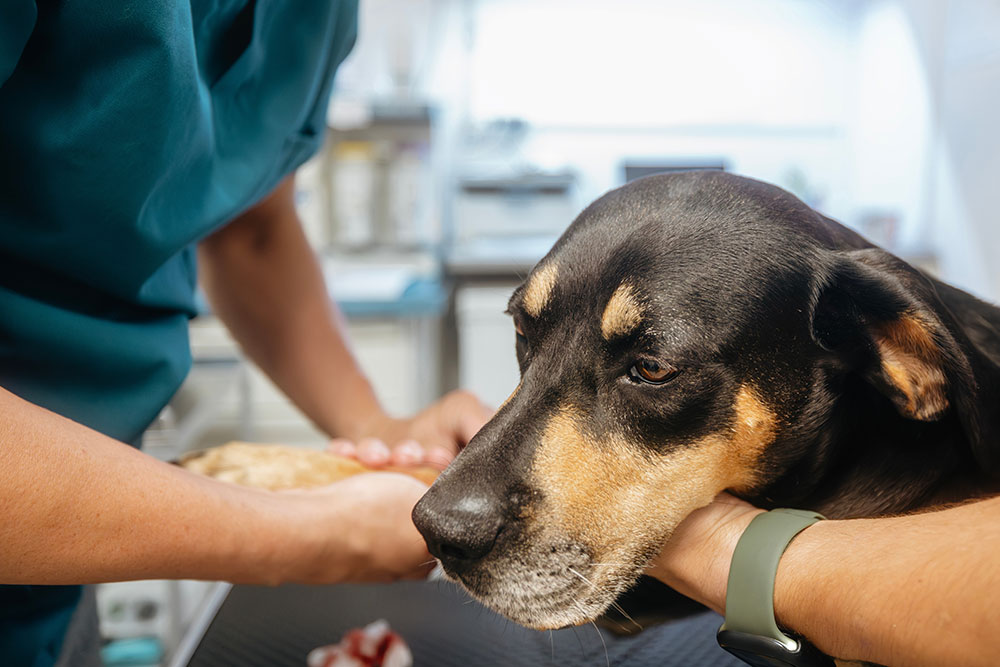
Dogs may tremble, pant excessively, pace, bark, chew destructively, or lose control of their bladder when stressed. Cats may hide, overgroom, become aggressive, change their bathroom habits, or refuse to interact with family members.
Other physical signs include loss of appetite, licking paws or legs excessively, or sudden clinginess. In some pets, stress manifests as gastrointestinal upset, vomiting, or diarrhea. These body-wide reactions are reminders that anxiety affects both mental and physical health.
Reading Pet Body Language
Subtle shifts in posture reveal much about a pet’s emotional state. The “stress ladder” is a great tool for understanding how body language changes as a pet’s stress elevates. In dogs, body language cues like lip licking, yawning, or turning away indicate unease. Cat body language shows tension through flattened ears, twitching tails, or dilated pupils.
At Cupertino Animal Hospital, we use gentle handling and species-specific comfort techniques to make every exam as calm as possible for sensitive pets. Our approach prioritizes patience, soft voices, and minimal restraint, helping even the most anxious pets build trust over time.
Common Triggers for Pet Anxiety
Anxiety can develop for many reasons. Environmental factors, such as construction, thunderstorms, fireworks, or travel, often provoke fear. Social stressors, like new pets or changes in routine, also contribute.
Fear of Other Pets, People, or New Experiences
Some pets experience anxiety due to unmet social needs. Puppies and kittens that miss early socialization may be more reactive later in life or be scared of people, places, and objects that you wouldn’t think would be scary. Rescue animals, in particular, can carry trauma from previous experiences that require patience and gentle rehabilitation.
Pets on leash are often more anxious- the urge for “fight or flight” when you are scared applies to both people and our pets. When leashed, they lose the option for flight, which makes fight the only option. This is called “leash reactivity”. It isn’t aggression- it’s your pet saying “I’m frightened” of other pets or people.
Resource guarding over food or toys is another common sign of stress, seen when pets are afraid of losing something important to them. It’s common in pets that came from the streets and didn’t always have food available to them.
The key to solving these behavior issues lies in helping your pet feel more comfortable with pets or people coming near them when they are vulnerable- like when they are on a leash or eating- and not punishing the behavior.
How Noise Sensitivity and Environmental Stress Impacts Pets
Pets commonly struggle with noise aversion. Thunderstorms, fireworks, and construction sounds can cause shaking, hiding, or destructive escape attempts. Common feline life stressors also include new scents or reduced hiding spaces. Some pets may react to changes in lighting or temperature. Even rearranging furniture can unsettle sensitive animals. Gradual exposure and consistent routines can help build tolerance to small changes over time.
Lifestyle Changes and Physical Needs Can Cause Pet Stress
Changes in household dynamics- such as moving, introducing new pets and family members, or changes to routines- can stress animals. Dogs and cats both may develop separation anxiety when left alone or when kids go back to school at the end of summer, or experience tension with other pets, even if they’ve previously gotten along.
Pets that are high energy, intelligent, and have a strong desire to be active- especially young dogs and working breeds like herding dogs or Belgian Malinois- can become anxious and destructive when they are bored and need exercise.
Our veterinarians can guide behavior modification plans to address these sensitivities and physical needs safely and effectively.
Strategies for Managing and Reducing Pet Anxiety
Positive Training and Behavior Planning for Pets
The first step to tackling anxiety is being your pet’s advocate.
If your pet growls, listen! Never punish your pet for growling- they are trying to communicate with you and say “I’m uncomfortable.” By punishing their communication, you’re teaching them that you won’t listen, which means they will feel the need to escalate their communication to get their point across, resulting in biting or scratching.
Positive reinforcement training builds trust and encourages calm behavior through rewards rather than punishment. Games like engage-disengage training teach dogs to stay focused under stress, and the trade game teaches pets that they can give up a resource and receive something better in return.
Training also strengthens the human-animal bond, giving pets confidence through predictability, gentle boundaries, and learning to trust you. Over time, consistent routines, calm verbal cues, and structured playtime create security and emotional stability.
Environmental Enrichment for Pets
Providing mental and physical outlets that fulfill instinctual needs helps redirect anxious energy. Cats thrive with enrichment toys, vertical climbing options, hunting-based food toys, and indoor cat environments that encourage exploration. Dogs benefit from enrichment activities, scent games, and relaxing sniffari walks that tap into natural instincts. Adequate exercise is critical to help burn off energy that might otherwise go into destroying your couch cushions.
During wellness exams, we can help tailor enrichment and play ideas suited to your pet’s temperament and lifestyle. Rotating toys, introducing puzzle feeders, and creating quiet retreats can help prevent boredom-related anxiety at home.
Working with a Veterinarian to Support Anxious Pets
Making Veterinary Visits Less Stressful
Small adjustments, like using pheromone sprays, bringing a favorite blanket, or scheduling visits during quieter times, can make a big difference. Cooperative care techniques, such as cooperative care for dogs and cooperative care for cats, reduce fear during handling.
We may recommend “happy visits”- short, non-medical visits where your pet simply gets treats and affection- to help them associate the clinic with positive experiences. Ask us for recommendations on how to make veterinary visits less stressful to prepare your pet for a calmer experience.
Pharmaceutical Support for Pets
Sometimes, managing anxiety involves additional medical assistance. Natural pheromones can promote calm, while prescription medications or supplements may provide balance during stressful transitions.
For pets with moderate to severe anxiety, prescription anti-anxiety medications can be life-changing. Selective serotonin reuptake inhibitors (SSRIs) like fluoxetine or sertraline work by adjusting brain chemistry to reduce baseline anxiety levels, while fast-acting medications like trazodone or gabapentin can help during acute stressful events like thunderstorms or vet visits. Some pets benefit from combination therapy, using daily medications for ongoing support alongside situational medications for specific triggers.
The goal is always to use the lowest effective dose while pairing medication with behavior modification for the best long-term results. Our veterinarians work closely with you to monitor your pet’s response and adjust treatment as needed, ensuring both safety and effectiveness.
FAQs About Pet Anxiety
When should I seek help?
If anxiety disrupts daily life, causes injury, or doesn’t improve with training.
What’s the first step?
Track patterns, maintain routines, and consult your veterinarian.
Can anxiety resolve without intervention?
Rarely. Early support prevents escalation and helps pets live more comfortably.
Are natural remedies effective?
In many cases, combining calming aids with behavioral therapy yields the best results.
Schedule a wellness appointment to discuss your pet’s anxiety, behavioral changes, or preventive care plan.
Building Confidence Through Understanding and Compassionate Care
Recognizing anxiety is an act of love. At Cupertino Animal Hospital, we believe calm, confident pets start with attentive care and understanding. Whether your pet hides from guests, growls at other pets, or trembles during storms, our team is here to restore comfort through advanced medicine and compassionate support.
Take the first step toward peace of mind- contact us today to begin helping your pet find calm. With patience, empathy, and expert care, your anxious companion can rediscover a life filled with trust, comfort, and joy.



Leave A Comment