
When Hormones Go Haywire: Recognizing Thyroid Problems in Pets
Thyroid imbalance can make pets sluggish or restless, cause rapid weight changes, and affect their coat and skin. Because symptoms vary so widely, regular veterinary testing is essential. With early diagnosis and treatment, most pets lead long, comfortable lives.
At Cupertino Animal Hospital, we combine advanced diagnostics– digital radiography, ultrasound, endoscopy, and comprehensive lab testing- with a deeply personal approach to care. As a privately owned practice serving dogs, cats, and exotic species, we emphasize comfort, communication, and family-level compassion. Our goal is simple: to help every pet live the longest, happiest, and healthiest life possible.
The Thyroid Gland: A Small Organ With a Big Job
The thyroid gland sits in your pet’s neck and regulates the body’s metabolism by releasing hormones that influence energy, temperature, and organ function. When production of these hormones goes awry, the entire body feels the effects.
- Hypothyroidism, most common in dogs, happens when the thyroid doesn’t produce enough hormones, slowing down metabolism.
- Hyperthyroidism, most common in cats, results from excessive thyroid hormone, speeding metabolism up too much.
Because thyroid hormones influence nearly every organ system, even minor imbalances can have wide-ranging health consequences. Routine wellness exams and bloodwork help detect these disorders before they disrupt your pet’s health.
Why Pets Develop Thyroid Disease
Hypothyroidism in Dogs
Middle-aged dogs, particularly Golden Retrievers, Doberman Pinschers, and Cocker Spaniels, are most prone to hypothyroidism. Two major causes exist:
- Autoimmune thyroiditis: The immune system destroys thyroid tissue over time.
- Idiopathic atrophy: The gland shrinks for reasons not yet understood.
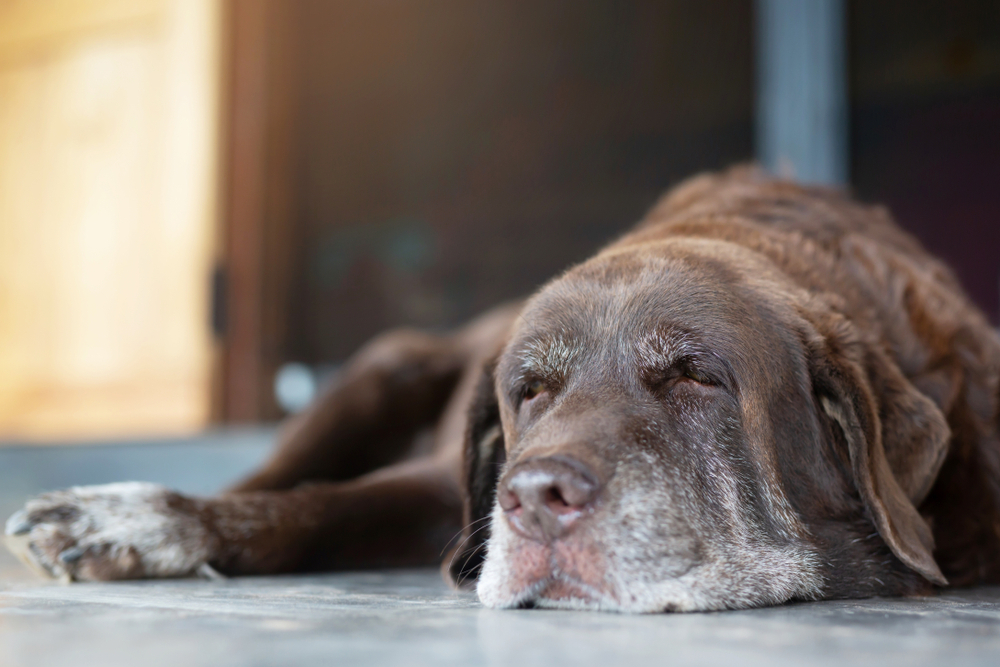
Hypothyroidism in dogs usually develops slowly, making early symptoms easy to mistake for normal aging. Left untreated, it causes fatigue, weight gain, poor coat quality, and chronic skin or ear infections.
Hyperthyroidism in Cats
Hyperthyroidism typically affects senior cats. It often stems from a benign growth (adenoma) in the thyroid gland that releases excess hormone. Rarely, cancerous tumors or environmental factors play a role.
Common signs include weight loss despite an increased appetite, restlessness, and a rapid heartbeat. Hyperthyroidism in cats can escalate quickly, stressing the heart, kidneys, and other vital systems.
Why Early Detection Is Critical
Because the thyroid regulates metabolism, even mild changes can ripple through every body system.
Untreated hypothyroidism causes sluggishness, cold intolerance, and thickened skin. The immune system weakens, and dogs may develop recurrent infections or heart abnormalities.
Untreated hyperthyroidism forces the heart and kidneys to work overtime, leading to weight loss, high blood pressure, and heart failure if unaddressed.
Preventive testing for senior pets and annual blood panels during wellness visits detect changes before serious complications occur. At Cupertino Animal Hospital, our advanced diagnostics include thyroid panels that evaluate multiple hormone levels for a complete picture of gland function.
Common Symptoms to Watch For
Dogs – Signs of Hypothyroidism
- Unexplained weight gain despite normal diet
- Fatigue, lethargy, or disinterest in exercise
- Cold intolerance, seeking warmth constantly
- Dry, thinning coat or hair loss along the flanks or tail
- Recurrent ear or skin infections
- Dull or sad facial expression due to muscle weakness
Lethargy in dogs can result from many conditions, but when combined with skin problems or weight gain, thyroid testing is essential.
Cats – Signs of Hyperthyroidism
- Weight loss despite ravenous appetite
- Increased thirst and urination
- Restlessness, pacing, or increased vocalization
- Rapid or irregular heartbeat
- Vomiting or diarrhea
- Rough or unkempt coat
- Palpable lump near the throat
Behavioral changes, such as anxiety or aggression, can also appear. Older cats’ behavior problems should always be discussed with your veterinarian.
Diagnosing Thyroid Disease
Diagnosis starts with a physical exam and continues with comprehensive lab testing and imaging.
Your veterinarian may check for:
- Enlarged thyroid glands (especially in cats)
- Heart rate abnormalities
- Weight or muscle changes
- Skin and coat condition
- Blood pressure levels
Blood tests measure hormone levels:
- Total T4: Overall thyroid hormone
- Free T4: Active, usable hormone
- TSH: Indicates pituitary response to thyroid levels
For complex cases, we may perform imaging or antibody tests to confirm autoimmune disease or identify abnormal tissue growth. Our in-house lab, ultrasound, and digital imaging equipment allow us to complete evaluations efficiently and accurately.
Treatment Options
For Dogs: Hypothyroidism
Treatment involves daily hormone replacement (levothyroxine). Regular bloodwork ensures correct dosing, and most dogs improve dramatically within weeks. Energy returns, coats thicken, and skin conditions resolve. Ongoing monitoring every 6–12 months keeps levels stable.
For Cats: Hyperthyroidism
Cats have several treatment paths:
- Medication: Methimazole (pill or transdermal gel) controls hormone production.
- Radioactive iodine therapy: Curative for most cats but requires specialized facilities.
- Surgical removal: Surgery can be effective for benign tumors, with proper anesthesia and postoperative care.
- Prescription diets: Low-iodine formulas may help some cats, though they require strict dietary compliance.
Your veterinarian will discuss which approach best suits your cat’s health, temperament, and lifestyle.
Living With Thyroid Disease
With proper management, most pets live normal, healthy lives.
Consistency is key:
- Give medication at the same time each day.
- Schedule regular checkups to monitor progress.
- Track changes in appetite, energy, and coat health at home.
Our veterinarians will adjust medications as needed over time, using detailed lab results to maintain optimal balance. Communication is central to our approach- we ensure you understand every step of your pet’s care plan.
Supporting Thyroid Health at Home
You can’t always prevent thyroid disease, but proactive care goes a long way:
- Annual exams and bloodwork: Early detection improves treatment outcomes.
- Balanced nutrition: Choose veterinary-recommended diets that support metabolic health.
- Stress reduction: Stable routines and calm environments promote hormone balance.
- Avoid toxins: Keep pets away from human medications and household chemicals that may disrupt endocrine function.
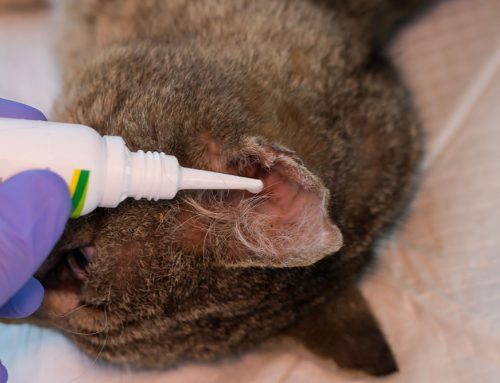
For pets with ear, skin, or coat changes, our Pet Ear Care Center, led by Dr. Munir Kureshi, specializes in identifying underlying causes that sometimes relate to thyroid or other hormonal conditions.
Preparing for Your Appointment
Before your visit:
- Note when symptoms began and how they’ve changed.
- Bring a list of all medications and supplements.
- Record diet details and any recent weight changes.
- Write down questions- understanding your pet’s care empowers you to make the best decisions.
Our team values clear communication and patient comfort. We take time to explain diagnostics and treatment options, ensuring you feel confident about your pet’s care.
Your Partner in Lifelong Endocrine Health
Thyroid disease is common but manageable. Early diagnosis, consistent treatment, and strong veterinary partnership allow most pets to thrive for many years. At Cupertino Animal Hospital, we bring together cutting-edge technology, advanced medical expertise, and genuine compassion to deliver care that feels both high-tech and deeply personal.
If you notice changes in your pet’s appetite, energy, or coat quality, don’t wait- contact us or call (408) 252-6380 to schedule a wellness exam or thyroid screening.
Your pet’s healthiest life starts with understanding- and we’re here to help every step of the way.



Leave A Comment