
Beyond the Itch: How Ear Issues Affect a Pet’s Whole-Body Health
You might first notice a faint scratching sound coming from the corner of the room or see your dog pause mid-play to shake their head. Maybe your cat has started tilting their head every time they walk across the room. Ear problems often start subtly, yet they can progress quickly and affect far more than the ear itself. What begins as mild redness or debris can develop into deeper infections, structural damage, and even neurologic complications that impact balance, mobility, and emotional well-being.
At Cupertino Animal Hospital, our team approaches every ear concern with focus and compassion. Through advanced diagnostics and dedicated ear treatments, we work to identify the true cause of discomfort so your pet can return to their normal daily life without ongoing pain or stress.
Why Ear Health Matters for Whole-Body Wellness
A healthy ear is more than a clean canal. The outer, middle, and inner ear influence everything from hearing and comfort to equilibrium and neurologic function. When inflammation or infection is left untreated, it can move deeper into the ear or spread systemically, affecting multiple body systems at once.
That is why every wellness exam at our hospital includes a close look at the ears. Even a mild outer ear infection has the potential to advance into the middle or inner ear, causing significant pain and risk of complications. Addressing issues early helps protect your pet from long-term complications that can profoundly affect their daily comfort.
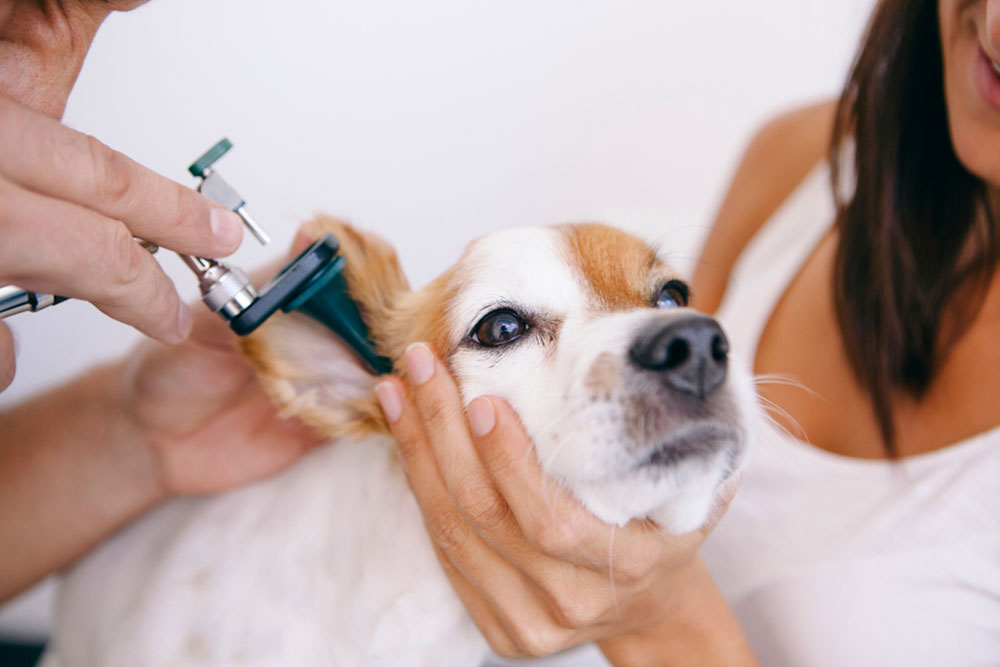
A complete ear assessment allows our veterinarians to evaluate the full canal and eardrum, identify any structural abnormalities, detect chronic inflammation, and uncover deeper health concerns such as allergies, endocrine disease, or systemic infection. We often use video otoscopy and imaging to see far beyond what the eye alone can catch.
How Chronic Ear Problems Develop
From Outer Ear Irritation to Deep Infection
Most owners first notice redness, odor, or discharge affecting the outer ear. These are common signs of otitis externa, an infection or inflammation of the external canal. Without timely or complete treatment, inflammation can extend toward the eardrum. Repeated infections, foreign bodies, or trauma may cause the eardrum to rupture, exposing sensitive structures of the middle and inner ear.
Inner ear involvement is far more serious. Conditions affecting the deeper ear are described as otitis media or interna, and they can result in persistent pain, head tilt, vestibular disease and loss of balance, nystagmus, facial nerve paralysis, and profound changes in a pet’s quality of life. Pets often appear disoriented or unsteady because the vestibular system is closely linked to spatial awareness and coordination.
Foreign bodies are another significant cause of deeper disease. Sharp plant material like foxtails can migrate through the canal with surprising speed. Because they continue to move inward, they may puncture or irritate the eardrum and lead to severe inflammation. Foxtails can embed deeply in tissues, creating a direct route for bacteria and debris to enter the middle or inner ear.
When Small Problems Turn Into Structural Damage
Long-standing inflammation thickens the tissues of the ear canal, narrowing the passage and reducing airflow. Over time, this damage creates a warm, moist environment ideal for bacteria and yeast. Pets with chronic ear infections may develop scar tissue or mineralization that prevents medications from reaching the problem sites. At this stage, more advanced interventions become necessary.
Some pets develop ear hematomas during a flare-up. Vigorous head shaking can rupture small blood vessels inside the ear flap, causing the painful swelling known as an ear hematoma. Without proper treatment, the ear hematoma can rupture- leaving behind a bloody and painful wound. It then can heal in a crumpled or misshapen form, making future infections even harder to manage.
In certain cases, what appears to be a simple recurring infection turns out to be a mass or tumor. Growths in the ear canal can block airflow, promote drainage issues, and cause repeated episodes of pain or discharge. Untreated tumors run the risk of invading deeper tissues and even causing metastasis to other organs. Identifying and treating these early is essential for long-term health and comfort.
Consequences of Untreated or Poorly Managed Ear Disease
Pain and Reduced Quality of Life
Chronic inflammation creates ongoing discomfort. Pets may isolate themselves, sleep more, become irritable, or show decreased interest in food and play. Because pets instinctively hide pain, many owners do not realize how uncomfortable their companion has been until symptoms suddenly worsen. Addressing pain and clearing infection restores comfort and improves overall behavior and engagement.
Hearing Loss and Ruptured Eardrums
Repeated infections or trauma can damage the eardrum, sometimes leading to permanent hearing loss. A ruptured eardrum also eliminates the protective barrier separating the outer canal from the middle ear. This increases the risk of deeper infection and may accelerate the development of neurologic signs.
Progression to Vestibular Dysfunction
Once infection reaches the inner ear, inflammation can disrupt the vestibular system. Pets may develop sudden dizziness, stumbling, or uncontrollable eye movement. While some cases improve with treatment, others experience lasting neurologic deficits that require long-term management. Early care significantly reduces this risk.
When Surgery Becomes Necessary
Some chronic cases, especially those with extensive canal damage, repeated infections, or tumor involvement, require surgical treatment. A procedure known as a total ear canal ablation (TECA) removes diseased tissue and relieves chronic pain when medical therapy is no longer effective. While TECA is a major surgery, it can dramatically improve comfort and quality of life for pets who have spent years struggling with deep or recurring infections.
Recognizing the Signs of Ear Trouble Early
Common symptoms associated with ear disease include:
- Head shaking or persistent scratching
- Redness, odor, or discharge
- Head tilt or loss of balance
- Crying out when the ear is touched
- Change in behavior or sensitivity
- Sudden swelling of the ear flap
- Reduced response to sound
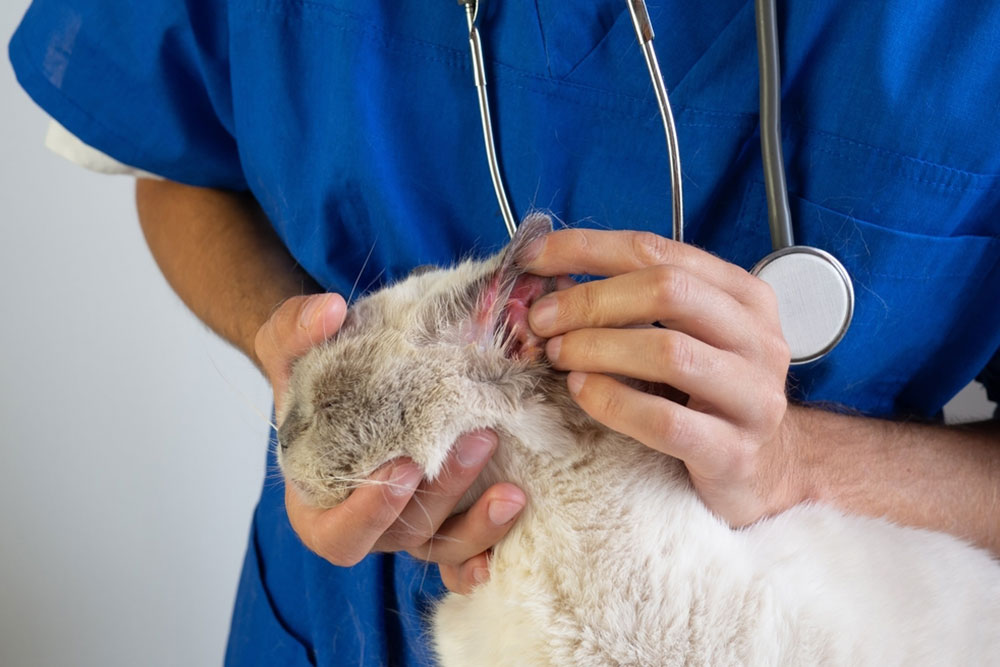
Some pets only show subtle changes. A cat that begins avoiding grooming or a dog that startles easily may be reacting to chronic pain or hearing decline. A professional examination ensures deeper structures remain unharmed while allowing for immediate, targeted care.
At Cupertino Animal Hospital’s Pet Ear Care Center, we use endoscopic tools to visualize the entire canal safely, remove debris or foreign material, and evaluate the eardrum. This detailed view helps us diagnose early-stage disease before it advances into more complex conditions.
Staying Ahead of Chronic Ear Problems
Long-term management requires consistency and partnership. Because ear disease is often linked to food allergies, endocrine disorders, or skin conditions, we evaluate every contributing factor. Diet changes, allergy testing, medical therapy, routine ear cleaning, and environmental adjustments can all support healthier ears over time.
By working with the Cupertino Animal Hospital team, you gain the support needed to understand why flare-ups keep occurring and what steps will prevent them. Our goal is to resolve the immediate issue while building a long-term plan that protects your pet’s comfort and hearing.
When to Contact Your Veterinarian
Schedule an appointment right away if you notice:
- Persistent shaking or scratching
- Sudden swelling or redness
- Loss of balance or head tilt
- Odor, discharge, or visible debris
- Pain when the ear is touched
- Decreased hearing or unusual behavior
Untreated infections can escalate quickly, affecting balance, hearing, and neurologic function. Early intervention prevents deeper complications and protects long-term comfort.
If your pet is showing any of these signs or if you are worried about recurring ear infections, contact us or request an appointment today. With thorough diagnostics and compassionate care, we can restore ear health and protect your pet’s overall well-being.



Leave A Comment