
Harnesses, Wheels, and More: Assistive Devices That Improve Pet Quality of Life
Seeing a pet hesitate on stairs, slip on smooth floors, or pause before standing can quietly cause heartbreak for you, and safety concerns for your pet. Mobility challenges often arrive gradually, leaving pet owners balancing concern with a strong desire to preserve independence and comfort. Assistive devices like harnesses, carts, and traction aids can make a meaningful difference, offering stability and confidence without taking away a pet’s sense of autonomy. With the right support, movement can feel safer and more natural again.
At Cupertino Animal Hospital, our privately owned team approaches mobility concerns with careful assessment and advanced diagnostics, paired with a deep focus on patient comfort and quality of life. From orthopedic insight to thoughtful palliative support, we help families determine which tools best fit their pet’s needs and living environment. Pet owners are encouraged to schedule a wellness exam or reach out to our team to explore mobility solutions guided by experience, technology, and compassion.
When Does a Pet Need Help Moving?
Mobility limitations develop for many reasons, and catching them early opens the door to simple fixes. Osteoarthritis in dogs and cats causes joint pain and stiffness in many aging pets. Neurologic issues like disc disease can affect leg function. Recovery after surgery may also require short-term support.
Some pets have challenges from birth, while others adapt after injury or amputation. In all cases, mobility tools provide practical help without reducing a pet’s spirit or independence.
Signs your pet may benefit from support:
- Struggling to rise or lie down
- Dragging rear paws or knuckling
- Avoiding stairs or the couch
- Slipping on smooth floors
- Short, stiff steps or limping
- Pausing or hesitating before moving
Our team uses advanced diagnostic imaging, including digital radiography, ultrasound, and CT scans, to identify what’s behind mobility changes. This thorough evaluation ensures device choices and treatment plans truly fit your pet’s specific condition, whether it’s joint disease, neurologic issues, or musculoskeletal concerns.
What Types of Mobility Devices Help Pets?
How Do Support Harnesses Work?
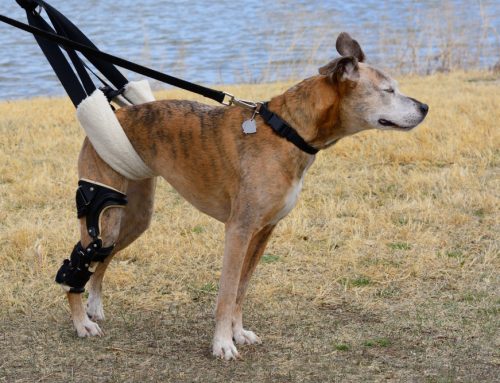
Support harnesses and slings add safe lift and balance when pets need help walking, using the bathroom, or managing stairs. Rear harnesses aid hips and back legs; full-body options support both ends.
What to look for in quality support harnesses:
- Correct sizing to avoid rubbing
- Adjustable straps for a snug fit
- Soft padding for comfort
- Handles placed for easy lifting
Most pets accept harnesses quickly with short, positive sessions. You can start with something as simple as a towel slung under their abdomen to help them rise. Our surgical team often recommends temporary harnesses during recovery to protect healing while keeping pets moving, particularly after orthopedic procedures like fracture repair or ligament reconstruction.
Can Pets Really Use Wheelchairs?
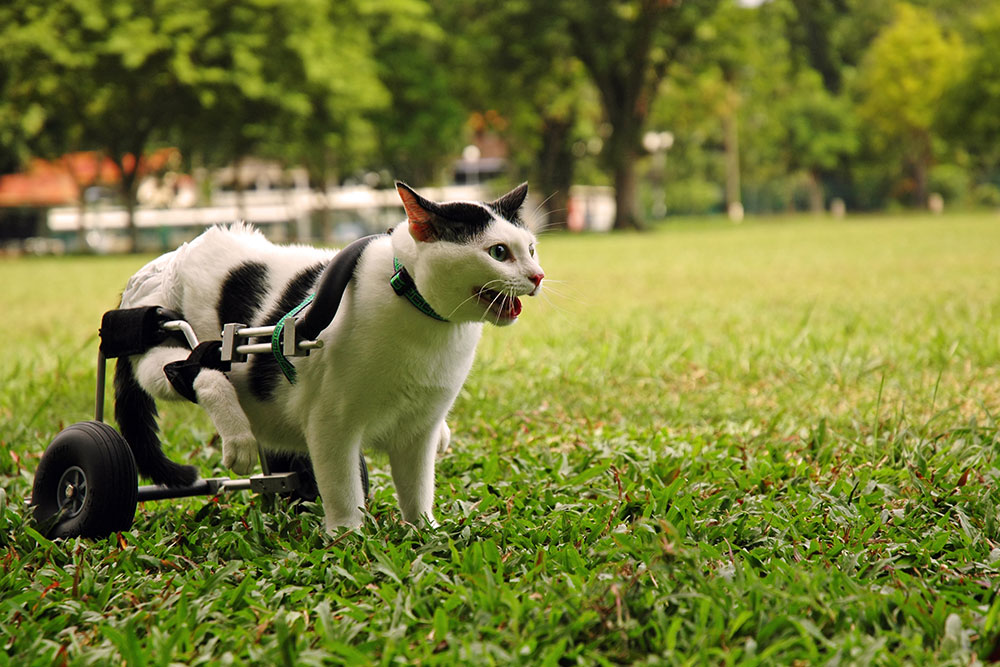
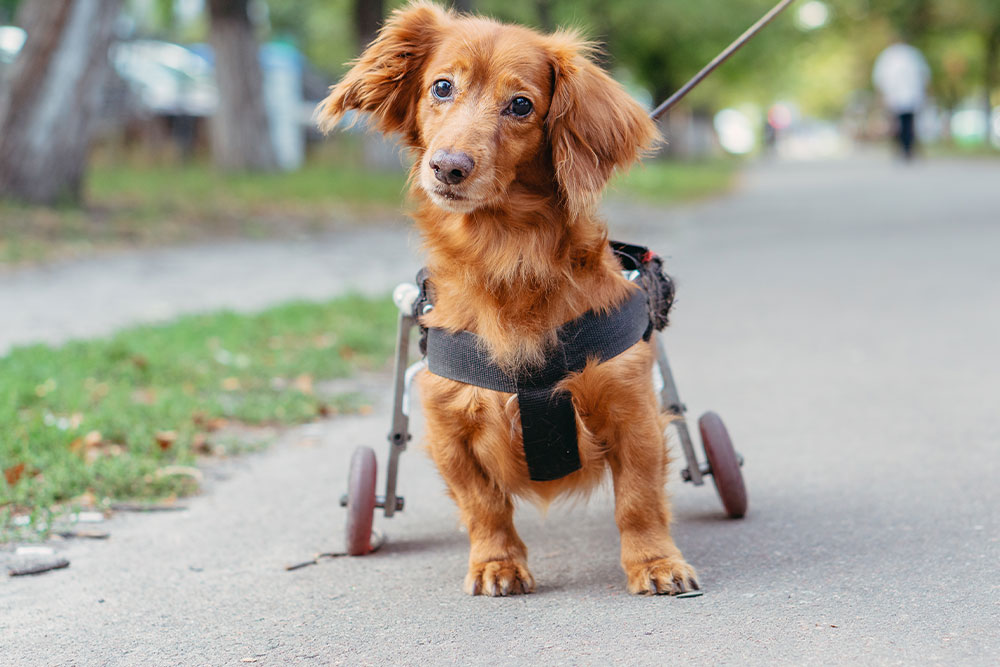
Mobility carts can be life-changing for paralysis, severe weakness, or missing limbs. They support the weaker end so pets can move using their stronger legs. Many pets learn within days and soon enjoy walks and play again.
Custom-fit carts work best long term, while adjustable models suit growing pets or changing needs. Options include rear support, front support, and four-wheel designs.
Basic cart care:
- Check straps and buckles regularly
- Watch for skin irritation or pressure spots
- Refit as weight and muscle change
- Keep wheels clean and smooth
Carts pair well with rehab and pain control, which help pets build strength and stay comfortable.
Why Does Traction Matter So Much?
Slippery floors increase falls and anxiety. Traction solutions help pets feel secure on tile, hardwood, and laminate and often make a noticeable difference right away.
- Nail grips fit on claws for steady grip and natural movement
- Booties protect paws and add traction but may need practice
- Paw wax offers short-term grip and moisturizes pads
- Non-slip socks add warmth and traction but wear out faster
Choose based on your pet’s tolerance and needs. Proper sizing and application are key for all options.
How Can You Make Your Home Safer?
Simple home changes work hand-in-hand with assistive devices. Add rugs or runners to create grippy pathways between beds, bowls, doors, and litter boxes. Place ramps where pets usually jump or climb.
Helpful arthritis-friendly adjustments:
- Elevated bowls to reduce neck strain
- Orthopedic beds that cushion joints
- Non-slip mats around slippery corners, stairs, and in bathing areas
- Night lights along hallways
- Blocked stairs when unsupervised
For cats, thoughtful home modifications keep essentials easy to reach. Try low-sided litter boxes, steps or ramps to favorite perches, and duplicate resources on each floor to limit long trips.
Check in every few months and adjust as your pet’s needs change.
How Do Devices Fit Into Overall Care?
Assistive devices work best as part of a full mobility plan. Pain control is the foundation, since pets won’t move if it hurts. Your veterinarian may combine medications, supplements, and gentle therapies to keep discomfort low.
Veterinary physical rehabilitation builds strength, flexibility, and coordination. Targeted exercises help pets use their devices more effectively. Pool-based or underwater treadmill sessions can be especially helpful.
Complementary therapies can add comfort. Acupuncture can reduce pain and tension, and laser therapy can support healing. These treatments complement, not replace, your primary plan.
Weight management matters more than most people realize. Extra pounds stress joints and make movement harder. During comprehensive wellness exams, our team provides nutritional counseling tailored to your pet’s specific dietary needs, helping pets feel lighter and move easier.
Regular check-ins ensure devices fit well and keep helping as conditions evolve. We reassess during exams and use imaging when needed to guide updates.
What Should You Know Before Getting Started?
The best device depends on your pet’s size, where they struggle most, temperament, and daily routine. A small apartment, a home with stairs, or a big yard all call for different strategies.
Tips for smooth introductions:
- Start short and in familiar spaces
- Use high-value treats and praise
- Let your pet set the pace
- Never force or punish
- Increase time and difficulty gradually
If something isn’t working, adjust fit first. Harness pinching? Re-size or pad pressure points. Cart avoidance? Recheck height and balance. Booties slipping? Try a different size or closure.
Professional guidance speeds success. Our team helps with choosing devices, fitting, and training so both you and your pet feel confident.
Can Pets Still Enjoy Life With Mobility Support?
Absolutely. Devices don’t limit pets; they open doors. Many return to greeting you at the door, strolling the neighborhood, or hopping into cozy spots with safer support.
Confidence often improves when floors feel secure and movement doesn’t hurt. Pets enjoy more independence, which reduces frustration for everyone at home.
Families also feel closer through shared wins, like mastering a ramp or finishing a walk. Needs may shift over time: some pets use support long term, while others improve and need less. Staying flexible keeps quality of life high.
What matters most is comfort, connection, and joy. With the right tools, pets continue making memories and living fully. For pets facing progressive conditions, our palliative care services focus on pain management and supportive therapies, ensuring comfort remains the priority at every stage.
Moving Forward Together
Mobility challenges are solvable with a thoughtful mix of assistive devices, simple home updates, and veterinary guidance. The goal is the same for every pet: safer movement, less pain, and a happy, engaged life.
At Cupertino Animal Hospital, we partner with families through every step, offering evaluations, tailored recommendations, and ongoing support. Our diagnostics and patient-first approach help address root causes while keeping pets comfortable. Contact us to schedule a mobility assessment and discover how assistive devices can help your pet move with renewed confidence and joy. And when moving becomes too painful, or your pet’s quality of life suffers, we offer comprehensive end of life care to ensure your pet is comfortable for as long as possible.
FAQs
How do I know which device to try first?
Start with the biggest barrier you see. Slipping on floors? Try traction solutions. Trouble standing or stairs? Consider support harnesses. Severe hind-end weakness or paralysis? A mobility cart may be best.
Will my pet accept wearing a device?
Most do with slow introductions and rewards. Keep sessions short, stay positive, and avoid forcing. If resistance continues, we can help fine-tune fit and training.
Are assistive devices only for senior pets?
No. Pets of any age may benefit after injury, surgery, or with congenital conditions. Early support often prevents bigger issues later.
How often should we recheck fit and comfort?
Inspect weekly at home and schedule regular veterinary check-ins. Pets change in weight and muscle over time, and devices should change with them.
What else can I do besides devices?
Combine tools with pain control, rehab exercises, weight management, and simple home modifications for the best results. If you’re unsure where to start, contact us and we’ll guide you.
Next Steps for Your Pet’s Comfort
Mobility tools can restore comfort, confidence, and independence for many pets. Paired with home tweaks and supportive care, they help pets stay active and engaged with your family. If you’re noticing hesitation, slipping, or stiffness, small changes can make a big difference.
We’re here to help you choose practical solutions that fit your home and your pet’s personality. Schedule a wellness exam or contact us with questions. Let’s work together to ease your worries and support your pet’s best life.



Leave A Comment