
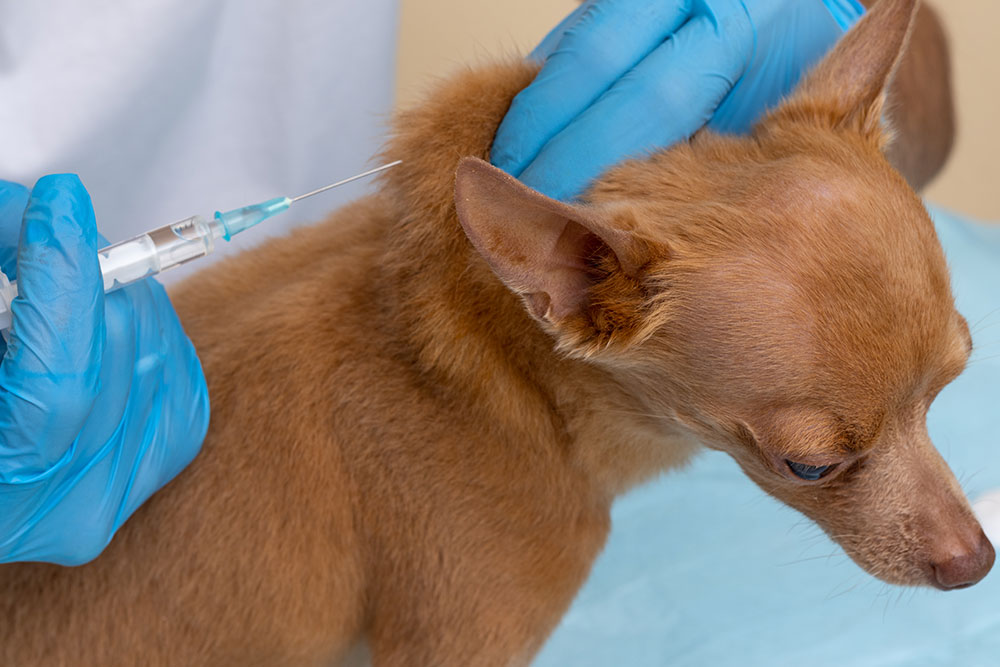
Vaccinations are the cornerstone of preventive care, shielding pets from deadly diseases like parvovirus, distemper, and rabies. Because immunity changes over time, maintaining booster schedules is essential. Protecting your pet through every life stage ensures lasting health and safety.
At Cupertino Animal Hospital, our team combines advanced diagnostics with personalized care to keep your pet protected throughout their entire life. From puppies and kittens to senior companions, we tailor vaccination schedules to meet each pet’s unique needs.
How Vaccination Needs Change Throughout Your Pet’s Life
Pet vaccinations provide protection from early life through the senior years, but immunity requirements shift as pets age. Understanding these changes helps you maintain consistent protection without over-vaccinating or leaving dangerous gaps in coverage.
Puppies and kittens lose maternal antibodies around 16 weeks of age, leaving them vulnerable until their vaccination series is complete. Missing even one booster during this critical window can leave young pets unprotected against deadly diseases. Adult pets require periodic boosters to maintain immunity, while senior pets may need modified schedules based on health status and lifestyle.
What to Expect at Each Life Stage
Puppies and Kittens:
Young pets receive vaccines every few weeks until 16 to 18 weeks of age to build lasting immunity. This series targets the most dangerous diseases before maternal antibodies fade completely. Missing boosters creates gaps in protection that leave pets vulnerable during their most active exploration phase.
Young Adults and Adventurers:
As pets mature, yearly boosters maintain coverage against core diseases. Increased exposure to parks, travel, boarding facilities, and other animals raises the need for additional vaccines like Bordetella, canine influenza, and feline leukemia virus. Active lifestyles demand active protection.
Middle-Aged Homebodies:
Lifestyle may shift toward lower exposure as pets settle into routines. However, core protection like rabies remains critical regardless of activity level. Combining vaccinations with preventive screenings during Pet vaccinations helps monitor long-term health and catch early signs of age-related changes.
Senior Companions:
Immune response slows with age, making disease prevention even more important. While vaccines may be spaced out based on individual health status, disease protection must remain in place. Senior pets benefit from customized schedules that balance immunity needs with overall health considerations.
Core Vaccines: Essential Protection for Every Pet
Core vaccines for dogs and cats protect against severe, widespread diseases that threaten all pets, regardless of lifestyle or environment. These vaccines form the foundation of preventive care and are recommended for every dog and cat.
Rabies: Required Protection for Dogs and Cats
The rabies vaccine protects both animals and humans from a fatal viral infection. Even indoor pets need protection, as bats, raccoons, and other wildlife can enter homes through chimneys, open doors, or damaged screens. Most states legally require rabies vaccination for all dogs and cats.
Core Vaccines for Dogs
Distemper:
The distemper vaccine prevents a virus that damages respiratory, digestive, and nervous systems. Often fatal and highly contagious, distemper spreads quickly among unprotected dogs through airborne particles and contaminated surfaces.
Hepatitis:
This vaccine protects against canine adenovirus, which affects the liver, kidneys, and eyes. Included in the DHPP combination vaccine, it prevents serious organ damage and vision problems.
Parvovirus:
Canine parvovirus causes severe vomiting, bloody diarrhea, and life-threatening dehydration. Common and deadly without vaccination, parvo can survive in the environment for months, making prevention essential even for dogs with limited outdoor exposure.
Parainfluenza:
This respiratory virus contributes to kennel cough outbreaks and is included in combination core vaccines for broader respiratory protection. While less severe than distemper, it causes persistent coughing and discomfort.
Leptospirosis:
The leptospirosis vaccine protects dogs that swim, drink from puddles, or encounter wildlife. This bacterial infection affects kidneys and liver and can spread to humans through contaminated urine or water.
Core Vaccines for Cats
Feline Viral Rhinotracheitis:
This herpesvirus causes sneezing, nasal discharge, and eye irritation. Vaccination reduces symptoms and transmission, particularly important in multi-cat households.
Calicivirus:
Calicivirus causes painful mouth ulcers and pneumonia. Vaccination minimizes severity and spread, protecting cats from chronic respiratory problems.
Panleukopenia (Feline Distemper):
Panleukopenia is an often fatal immune and digestive virus. Even indoor cats can be exposed through contaminated clothing, shoes, or objects brought into the home.
Feline Leukemia Virus (FeLV):
The feline leukemia virus vaccine is recommended for kittens, outdoor cats, and those meeting unfamiliar cats. This retrovirus prevents immune suppression, anemia, and cancer.
Lifestyle-Based Vaccines: Tailored Protection for Dogs
Non-core vaccines are recommended based on environment, activity level, and exposure risk. These vaccines provide targeted protection for pets with specific lifestyle factors.
Kennel Cough:
Kennel cough spreads rapidly in social environments such as boarding facilities, daycare, grooming salons, and dog parks. Vaccination prevents persistent cough and respiratory infection that can last for weeks.
Lyme Disease:
The Lyme disease vaccine protects dogs exposed to ticks in wooded or grassy areas. This bacterial infection causes joint pain, fever, and kidney issues if left untreated. Dogs that hike, camp, or live in tick-heavy regions benefit from this protection.
Rattlesnake Vaccine:
The rattlesnake vaccine provides added protection for dogs living or hiking in snake-heavy regions. While it reduces the severity of venom effects, it does not replace emergency veterinary care after a bite.
Canine Influenza:
The canine influenza shot is recommended for dogs that board, attend daycare, or participate in group training. This vaccine protects against contagious flu viruses that cause coughing, nasal discharge, and fatigue.
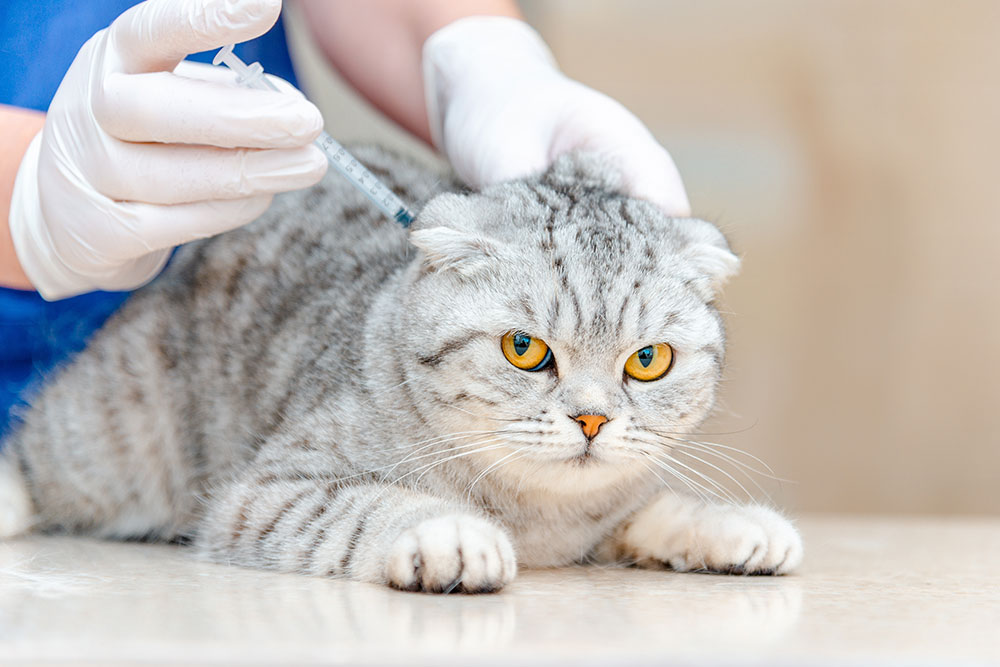
Lifestyle-Based Vaccines: Targeted Protection for Cats
Cats with outdoor access or exposure to unfamiliar cats need additional protection beyond core vaccines.
Feline Leukemia Virus:
The FeLV vaccine is core for kittens, but essential to continue for cats with outdoor access or contact with unfamiliar cats. This contagious virus spreads through grooming, saliva, and bites, causing immune suppression and cancer.
Bordetella:
The Bordetella bronchiseptica vaccine helps prevent respiratory infections in cats living in shelters, boarding facilities, or multi-cat homes. While less common than in dogs, feline respiratory infections can cause chronic sneezing and nasal discharge.
Understanding Vaccine Side Effects and Safety
Most pets experience mild soreness, fatigue, or temporary appetite loss after vaccination. These normal responses typically resolve within 24 to 48 hours without treatment.
Severe allergic reactions like facial swelling, hives, difficulty breathing, or vomiting are rare but require immediate veterinary care. These reactions typically occur within minutes to hours after vaccination.
About 1 in 20,000 cats may develop a vaccine-associated sarcoma, a rare localized tumor at the injection site. Proper vaccine choice, handling, and placement minimize this risk. Modern vaccines use safer adjuvants and are administered in specific locations that allow for easier monitoring and treatment if needed.
Veterinarians can adjust timing, vaccine type, or injection site for pets with prior reactions. At Cupertino Animal Hospital, we maintain detailed vaccination records and monitor pets closely after administration to ensure safety and comfort.
Why Regular Veterinary Visits Matter Beyond Vaccinations
Vaccination appointments serve as comprehensive health evaluations, not just quick injections. These visits help detect early changes in weight, behavior, dental health, and body condition that might otherwise go unnoticed.
Regular communication with our experienced team ensures vaccines stay aligned with your pet’s current needs. As lifestyle changes, so do vaccination requirements. A dog that starts attending daycare needs different protection than one who stays home. A cat that moves from indoor-only to indoor-outdoor living requires additional vaccines.
Our advanced diagnostics allow us to monitor overall health alongside vaccination schedules. Digital radiography, ultrasound, and comprehensive bloodwork help identify underlying conditions that might affect vaccine timing or immune response. For pets requiring surgical procedures, we ensure vaccination status is current before anesthesia to minimize infection risk during recovery.
Protecting Your Pet’s Future Starts Today
Vaccines remain one of the most effective and affordable preventive tools in veterinary medicine. As pets age, needs may change, but prevention remains the cornerstone of lifelong health. Regular discussions about vaccine schedules, side effects, and risk factors with your veterinarian ensure your pet receives optimal protection without unnecessary interventions.
At Cupertino Animal Hospital, we prioritize personalized care that adapts to your pet’s unique needs. Our commitment to advanced technology, patient comfort, and family-oriented service helps pets live their longest, happiest, healthiest lives.
Contact us today to schedule your pet’s vaccination appointment or discuss their current protection status. Whether you have a new puppy, an adventurous adult, or a senior companion, we’re here to provide expert care every step of the way.



Leave A Comment