The shape of your pet's eyelids, health of the cornea, positioning of eyelashes, and tear production are all part of the exam when evaluating entropion or ectropion. Entropion turns the eyelid inward so lashes scrape the cornea with every blink, while ectropion sags outward and leaves the inner surface exposed to dust and drying air. Neither settles on its own, and months of friction or exposure can scar a cornea that would have healed after an earlier repair. Both respond well to surgery, and resetting the eyelid is simpler while the surface underneath is still healthy. A painful corneal ulcer makes a pet squint in almost exactly the way a rolled-in lid does, and the two often go together, so the exam uses a fluorescein stain to find surface damage and a numbing drop to see whether that inward turn relaxes once the pain stops.
Cupertino Animal Hospital sees plenty of weepy, half-closed eyes in dogs and cats, and we look closely at the lids and the cornea before anyone talks about operating. Surgical eyelid correction results in significant relief for your pet, and the exam is what tells us how much adjustment an eye needs and whether the surface is healthy enough to do it now. A wellness visit is a good time to raise a question about a lid that has been rolling in or drooping. If one eye is squinting, tearing, or looks cloudy, reach out to us right away so we can take a look and give them relief from the pain.
Rolled-In and Sagging Lids at a Glance
- Entropion rolls the lid inward so hair rubs the cornea, and ectropion drops the lid outward so the inner surface dries out. Neither resolves on its own.
- Squinting, watery eyes, and pawing at the face mean the eye hurts, so they're worth a visit rather than a wait-and-see week.
- Puppies and kittens still growing can often be held over with temporary sutures until their face matures, then reassessed for a permanent repair.
- Most pets are comfortable within days of surgery, though scarring that formed before the repair may not fade completely.
What's the Difference Between Entropion and Ectropion?
One lid rolls in, the other falls away, and the eye reacts differently to each. Entropion presses hair against the cornea, which produces a hard squint and a dog who ducks away from bright light. Ectropion is the mirror image, a lower lid that sags away from the eye and leaves the pink inner tissue exposed to dust, wind, and drying air.
| Entropion | Ectropion | |
| What the lid does | Curls inward toward the eye | Droops outward, away from the eye |
| Main irritant | Hair and lashes on the cornea | Air, dust, and pollen on exposed tissue |
| Typical look | Tight squint, tearing, eye held shut | Slack lower lid, visible pink rim |
| Discharge | Watery at first, thicker once infected | Mucus and debris caught in the pocket |
| Biggest risk | Ulcers, pigment, corneal scarring | Repeat conjunctivitis, chronic drying |
How Do We Tell a Rolled Lid From a Painful Eye?
A squinting eye looks identical from across the room whether the trouble is the lid or the surface underneath it, so the exam sorts the two apart in order. The workup runs a short sequence of ocular tests: fluorescein stain to map corneal damage, a tear production measurement, and eye pressures that separate glaucoma from a lid problem.
When an eye truly hurts, your pet clamps their lids shut, and that spasm alone can curl a perfectly normal lid inward and imitate entropion. A numbing drop settles it: take the pain away for a few minutes and a spastic lid unrolls, while a structural one stays turned in. That single step often decides whether an eye needs surgery or needs an ulcer treated first.
The rest of the exam covers:
- Lids and lashes: we note where the roll starts, how much of the margin sits against the eye, and whether the upper lid, lower lid, or both are involved. Extra hairs growing from the wrong spot on the margin can scrape a cornea with no lid roll at all.
- Tear film and cornea: too few tears leave the surface dry and vulnerable, too many usually mean something is irritating the eye, and green stain uptake marks an ulcer whose depth changes the order of the plan.
- Pre-anesthetic bloodwork: anything headed for anesthesia gets labs through our in-house diagnostics before a date goes on the calendar.
Which Dogs and Cats Are Most Likely to Need Eyelid Surgery?
Pets built with a lot of face carry most of the risk. Eyelid disorders come down to conformation: how much loose skin the face carries, how deep the eye sits, and how well the lid margin matches the curve of the eyeball underneath it.
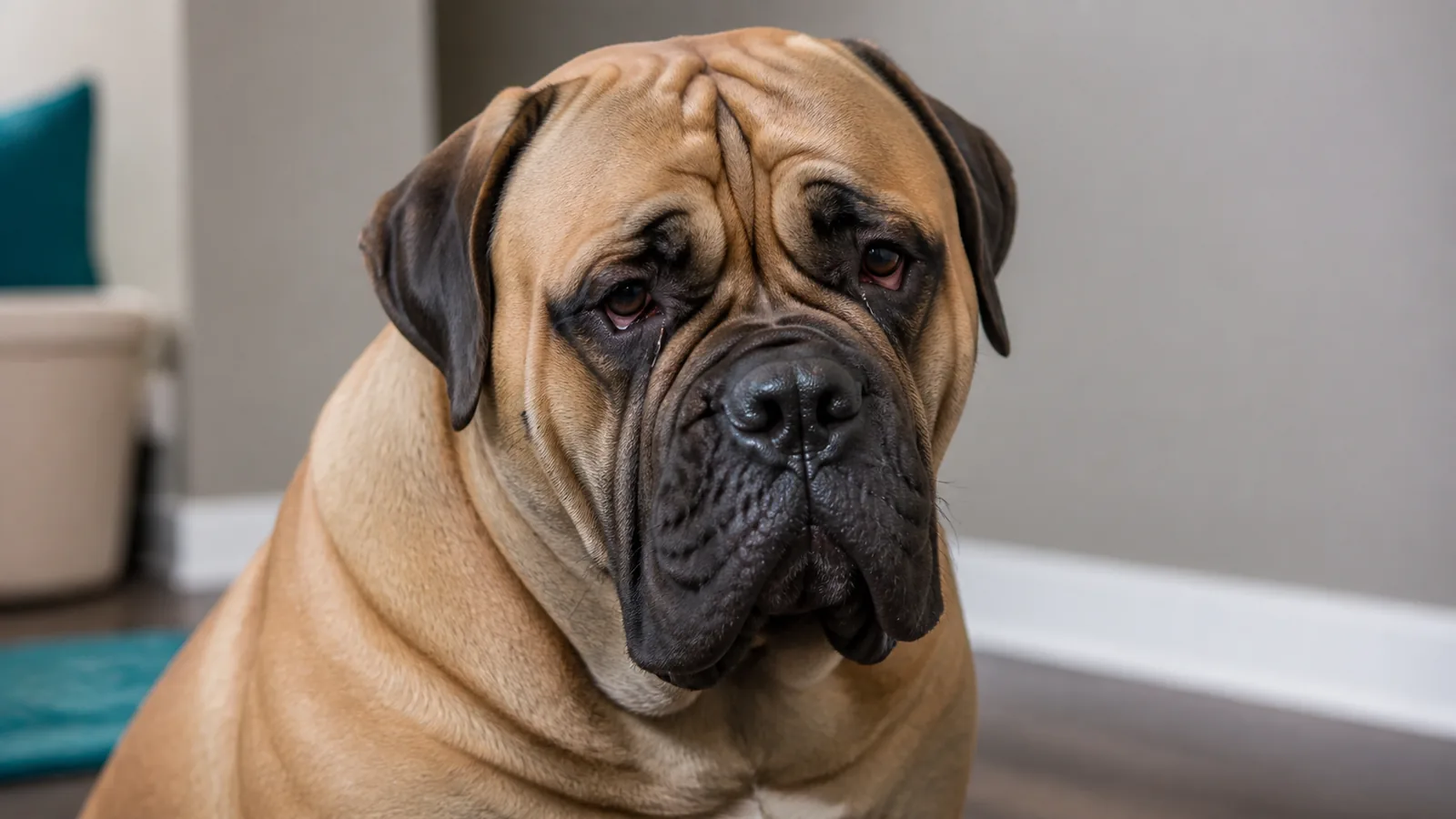
- Dogs prone to entropion: Shar-Peis, Chow Chows, Rottweilers, Bulldogs, Bullmastiffs, Great Danes, Cocker Spaniels, and heavy-browed retrievers sit at the top of the list. Hereditary eyelid conditions follow family lines, which is why entropion turns up again and again in certain breeding programs rather than at random.
- Dogs prone to ectropion: Bloodhounds, Basset Hounds, Saint Bernards, Newfoundlands, and Spaniels are bred for the loose lower lid that defines the look, and in some it drops far enough to stop protecting the eye. Giant breeds with heavy heads often show both at once, a lid that rolls in at the corners and sags in the middle, which needs a plan handling both problems together.
- Cats: Flat-faced breeds such as Persians and Himalayans carry the shallow orbits and heavy facial folds that press a lower lid inward against the cornea.
- Beyond breed: tissue loosens with age, chronic inflammation thickens and distorts a margin, old injuries scar, rapid weight loss changes how the eye sits, and pain from any source can pull a normal lid inward.
If you brought home a puppy or kitten from a line where a rolled lid has turned up before, mention it at their next wellness exam rather than waiting for a squint.
What Happens If a Rolled or Sagging Lid Goes Untreated?
Friction and exposure do real damage, faster than most families expect. Hair dragging across the eye with every blink wears the surface down into corneal ulcers, which can deepen, scar, and in severe cases perforate. Vision follows the cornea, so a surface rubbed for months can stay hazy even after the lid is reset.
Squinting, watery eyes, pawing at the face, and turning away from bright windows are signs of eye pain, not a cosmetic quirk of the breed. Cats are quieter about it, tending to hide more and pick at meals while the eye itself is the last thing anyone notices.
Some changes shouldn't wait for the next open slot. Call us right away if you see:
- A blue-gray or cloudy film across the surface
- An eye held completely shut, or one your pet won't let you near
- Yellow or green discharge, or a visible divot in the clear part of the eye
- Blood in the white of the eye, or lids that swell suddenly
- Hard face-rubbing on carpet, furniture, or your leg
Ectropion takes a slower road to the same place. The outward-rolled lid forms a pocket that collects dust, pollen, and bacteria, so chronic eye discharge and repeat rounds of conjunctivitis become the pattern instead of the exception.
One thing to skip while you wait: leftover eye medication from an old problem, and anything from your own cabinet. Steroid drops that soothed an itchy eye last spring can turn a shallow ulcer into a deep one. Never trim hair near a painful eye at home.
What Are the Options for an Eyelid That Doesn't Sit Right?
Treatment runs from a few temporary sutures to a permanent repair, and the right pick depends on age, cause, and how much the cornea has already taken.
Can a Puppy or Kitten Be Helped Before They're Done Growing?
Growing faces change shape, so skin removed at twelve weeks can turn out to be the wrong amount at twelve months. Temporary eyelid tacking places a few sutures to roll the lid outward and hold it there for weeks at a time, buying a growing face the room to mature without the cornea paying for it.
Tacking can be repeated as a puppy or kitten grows, and plenty of pets never need more. It's also the right first move when a lid is curling because the eye hurts, since treating the ulcer and holding the margin off the surface often lets everything relax back into place. Once the face stops changing, a surgical evaluation tells us whether anything permanent is still needed.
What Does Permanent Eyelid Surgery Involve?
Surgical repair is a small, precise operation on the skin just outside the lid margin. Permanent eyelid surgery removes a measured crescent of skin, and the measurement stays deliberately conservative, since taking too much creates the opposite problem and a second trip to the operating room.
Technique follows anatomy. Some eyes need the crescent alone, a heavy lower lid may also need its outer corner shortened and tightened, and a face carrying both problems needs both handled in one plan. Soft tissue surgery of this kind is part of what we do here in Cupertino, while eyes with deep ulcers or complicated scarring go to a veterinary ophthalmologist, and we coordinate that appointment for you.
Why Does Entropion Look Different in Cats?
Cats rarely follow the puppy pattern. Entropion in cats tends to appear later in life, driven by age-related tissue laxity or years of chronic surface inflammation rather than the breed anatomy that brings young dogs in.
Long-running herpesvirus flare-ups, stubborn conjunctivitis, and real weight loss all tug at an older cat's lids, so the workup looks for what sits beneath the roll instead of treating the roll alone. Feline repairs often combine a crescent with a tightening at the outer corner, and lid position is one of the things we check at senior wellness visits.
What Does Surgery Day Look Like for an Eyelid Repair?
The day starts with a fresh look at the eye while your pet is awake, because facial tone shifts as soon as anesthesia relaxes everything. Skin marks go on while the lids still hold normal tone, which is much of the difference between a good result and an overcorrection. From there:
- Anesthesia built for the individual: age, breed, weight, and airway shape the drug choices, and flat-faced patients get extra attention paid to their airway throughout.
- Continuous monitoring: heart rate and rhythm, blood pressure, oxygen, and body temperature are tracked the whole time, with someone whose only job is watching your pet.
- Pain control first, not last: local numbing and injectable medication go in ahead of the incision, and pets go home on oral medication rather than chasing discomfort after the fact.
- A recovery at home: grogginess, a puffy lid, and a little blood-tinged tearing are expected, and your pet heads home with written instructions once they're awake and steady.
How Long Does Recovery Take After Eyelid Surgery?
Most of the visible healing happens in the first two weeks, with sutures out around ten to fourteen days and the swelling gone shortly after. Final lid position settles over roughly a month, though comfort usually improves within a few days.
The First Few Days at Home
The cone is not optional. One good rub against a rug can pull out sutures that took careful measuring to place, and pets are most determined in the first 48 hours, exactly when swelling peaks.
- Expected: puffy or bruised lids, a bit of blood-tinged tearing, squinting that eases a little each day, and a pet who mostly wants to nap.
- Worth a call: missing sutures or gaping skin edges, discharge turning thick and yellow, swelling that grows after the second day, an eye that looks cloudier than it did, or a pet who stops eating.
Administering eye medications goes better when you come at the head from behind or the side, steady your hand against the skull so the bottle moves with your pet, and leave five minutes between two different drops. When a cat objects to drops entirely, ointment laid along the lid margin gets blinked in on its own.
Rechecks and the Healing Timeline
Follow-up is short and worth keeping:
| When | What's happening | What we do |
| First 48 hours | Swelling and bruising peak | Pain medication, cone on, quiet rest |
| Days 3 to 7 | Squinting eases, discharge fades | Earlier recheck if an ulcer is being treated |
| Around 10 to 14 days | Skin edges have knit together | Suture removal and a look at lid position |
| Weeks 3 to 6 | Swelling resolves, tissue relaxes | Final position assessed |
| Long term | Scar line softens and fades | Lids checked at routine visits |
A small number of eyes need a minor revision later, usually a margin that relaxed a hair too far or a severe roll that was always going to take two stages. That isn't a failed surgery: taking a conservative amount of skin the first time is what leaves room for a small adjustment.
How Well Does Eyelid Surgery Work in the Long Run?
Outcomes here are good. Most dogs and cats need one correction and stay comfortable for life, with the squinting and tearing gone inside a couple of weeks. The eyes that ask for more attention are usually the ones that waited a long time, and even those gain relief from pain and protection from further harm. What shapes the result:
- How far the lid had rolled: a mild turn needs a smaller adjustment and tends toward a cleaner, one-and-done result.
- Corneal health going in: a surface carrying pigment or scar from months of rubbing may stay hazy, though comfort still improves markedly.
- A mature face and steady home care: repairs on a grown face hold their position better, and the cone, the medication schedule, and two weeks without zoomies do more for the final result than most families expect.
Predicting how much a given lid will relax once the swelling settles is judgment rather than formula, which is why our veterinary team stays conservative the first time. One note for anyone showing their dog: some breed registries have rules about entered dogs who've had conformation-altering surgery, so check yours. That's a paperwork question, never a reason to leave a painful eye alone.
Your Eyelid Surgery Questions, Answered
Can drops or ointment fix entropion without surgery?
Lubricants, antibiotic drops, and pain medication treat what the lid is doing to the eye, not the lid itself. They matter a great deal in the meantime, protecting a scraped cornea while a puppy grows or an ulcer heals, and they're sometimes the long-term plan for a pet who can't safely have anesthesia. But a lid that's structurally in the wrong place stays there until it's moved surgically.
Should both eyes be repaired at the same time?
When both lids are affected, doing them together is usually the better call. One anesthetic event instead of two, one recovery period, and a symmetric result, since matching a second lid to a healed first one is harder than it sounds. Very severe cases are occasionally staged on purpose, so we can see how the first eye settles before committing on the second.
How can I tell my cat's eye hurts when they seem fine?
Cats hide it well, so look for the small stuff. One eye opening slightly narrower than the other, the third eyelid creeping across the inner corner, extra blinking, choosing a dark corner over the sunny window, less grooming on that side of the face, or eating more slowly. Compare a photo from today against one from a few months back, and asymmetry that's easy to miss in person jumps right out.
Getting a Squinting Eye Looked At in Cupertino
Dry summer air, dusty trails in the foothills, and the wind that comes through the valley are all hard on an eye that can't close or protect itself properly. If one eye has been weepy, half-shut, or just not quite right, book an appointment at Cupertino Animal Hospital and let us look while the cornea is still healthy. Watching and waiting is the one approach that reliably makes this harder to fix.